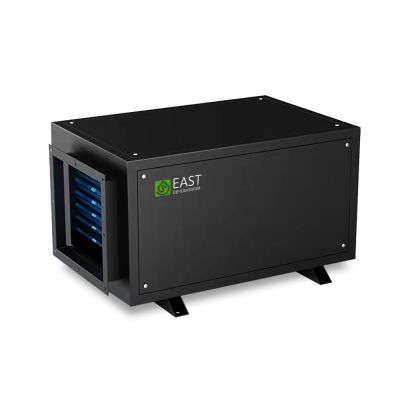
Custom Industrial Dehumidifiers Manufacturer - Delivered in 15 days.

How do you maintain and clean an industrial ultrasonic humidifier?
Clean the tank weekly, descale the transducers monthly with a citric acid solution, replace or regenerate the demineralisation cartridge every 200 to 600 operating hours, and plan on new transducers every 8,000 to 12,000 hours. Skipping the schedule is expensive: mineral scale cuts mist output by 30 to 50 percent long before anything visibly breaks.
The four jobs that make up the schedule
Weekly: tank and water circuit
Drain the tank, wipe the internal surfaces and disinfect to the manufacturer specification, then refill with treated water. Stagnant water is the real hazard: Legionella colonises systems running between 20 and 45 °C with standing periods, so most guidance is to never leave water sitting more than 48 hours without use or replacement.
Every 2–4 weeks: mist output check
Inspect nozzle output and look for visible mineral deposits. Commercial protocols land at 2–4 weeks depending on operating hours and feed water quality, and neglected units fail the same way every time: scale builds, output falls, and the transducer runs hotter for less mist.
Monthly: descaling
Clean the transducer surface with a citric acid solution at roughly 1:10, using a soft brush and never a metal scraper, because the ceramic face is what atomises the water. Dust the fan and vents at the same time — a loaded fan motor is a common cause of intermittent shutdown.
Quarterly to annually: test and replace
Quarterly, test feed water for TDS, pH and conductivity and verify sensor calibration. Annually, inspect the transducer face for pitting or coating loss and check fan bearings. Transducer assemblies are generally replaced between 8,000 and 12,000 operating hours.
Why scale, not electronics, decides the service life

An ultrasonic humidifier does not boil water. A piezoelectric disc vibrating at roughly 1.7–2.4 MHz shatters it into 1–5 micron droplets, and those droplets carry everything that was dissolved in the feed. The water evaporates in the room and the minerals stay behind — on the disc as scale, and in the air as white dust. One commercial analysis puts the effect at about 60 grams of mineral dust a day for a 50 L/h unit running eight hours on mains water near 150 mg/L TDS.
That is why the cartridge matters as much as the cleaning. Demineralisation cartridges typically need replacing or regenerating every 200–600 operating hours depending on source hardness, and the water treatment stage usually needs more attention than the humidifier itself. Good water stretches every other interval on the list; bad water compresses all of them.
The two mistakes worth naming: cleaning only the tank and leaving the atomising disc, and using aggressive chemicals that attack seals and the ceramic face. Both shorten life while appearing to be maintenance.
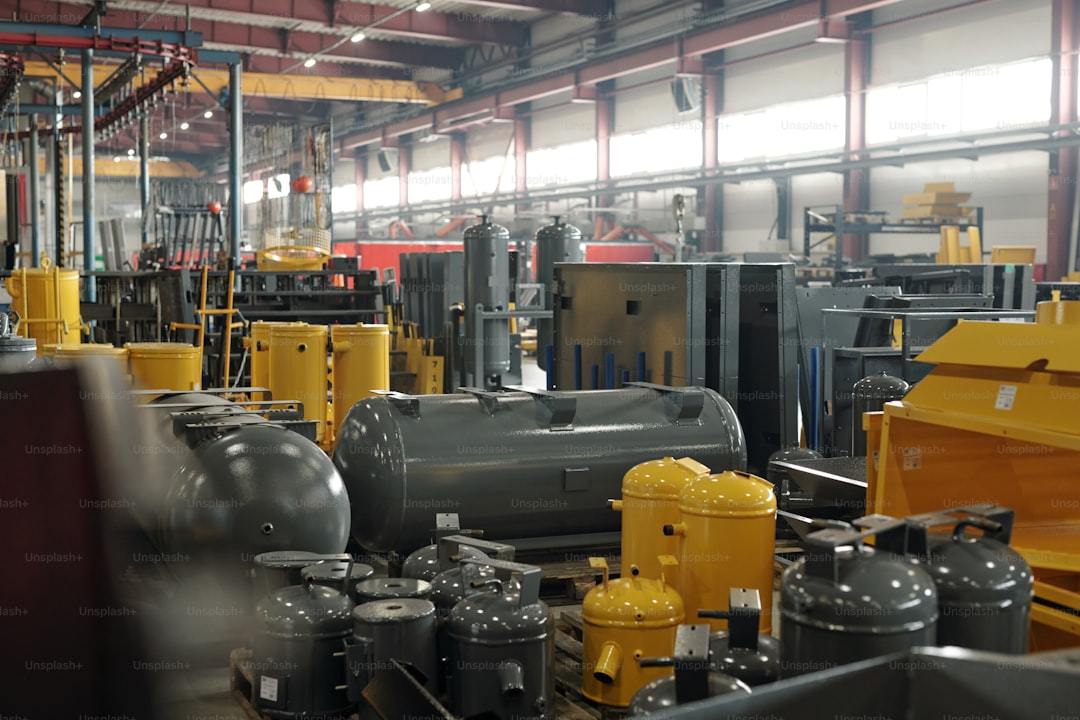

Representative project configuration
A converting hall needed 55 ±5% RH through dry winters to stop curl and static on the line, with four units mounted on the ceiling grid. The question was whether the site could run the maintenance in-house or needed a service contract.
With RO feed the scale problem largely disappears, so the schedule settled at a fortnightly output check and quarterly water testing, with the first transducer change forecast near year four on roughly 9,600 hours. The honest cost note: published guidance puts maintenance labour at 40–55 percent of five-year operating cost, and a contracted visit in the range of $120–180 where there is no in-house capability.
Maintenance intervals and what each one protects
| Interval | Task | What to check | Failure symptom |
|---|---|---|---|
| Daily | Water level and visual mist check | Output density, deposits, cloudiness | Weak or uneven mist |
| Weekly | Drain, clean and disinfect tank | Biofilm, odour, standing time over 48 h | Microbial contamination of the mist |
| 2–4 weeks | Nozzle and output inspection | Scaling at outlets, uneven distribution | Humidity drifting below setpoint |
| Monthly | Descale transducers, citric acid 1:10 | Visible scale on the ceramic face | 30–50% output loss |
| Quarterly | Water test and sensor calibration | TDS, pH, conductivity; RH reading vs reference | Control hunting, white dust |
| Annually / 8,000–12,000 h | Inspect and replace transducers | Pitting, coating loss, fan bearings | Output does not recover after cleaning |
Two limits are worth stating plainly. Ultrasonic atomisation depends on droplets evaporating, so it stops working properly below about 5 °C ambient and loses 20–35 percent of output at 35–40 °C, with thermal protection shutting the unit down above that. And no amount of cleaning fixes bad feed water. East Dehumidifier specifies the treatment stage alongside the humidifier, because retrofitting water treatment after white dust appears costs more than sizing it in at the start.
Related questions
Planning a humidification maintenance schedule?
Send capacity, operating hours and your feed water analysis. East Dehumidifier will specify the treatment stage and the service intervals together, so the schedule is realistic from day one.