
Protect potency at the molecular level with precision climate
A graded, full-chain temperature & humidity control solution for biopharma — vaccines, monoclonal antibodies, recombinant proteins, blood products and gene therapies. Built on desiccant wheel dehumidification and smart linked control, it keeps cleanrooms at 45-60% RH, biologics at 2-8°C, and meets GMP / GB50457-2019 / ChP / USP<659>.
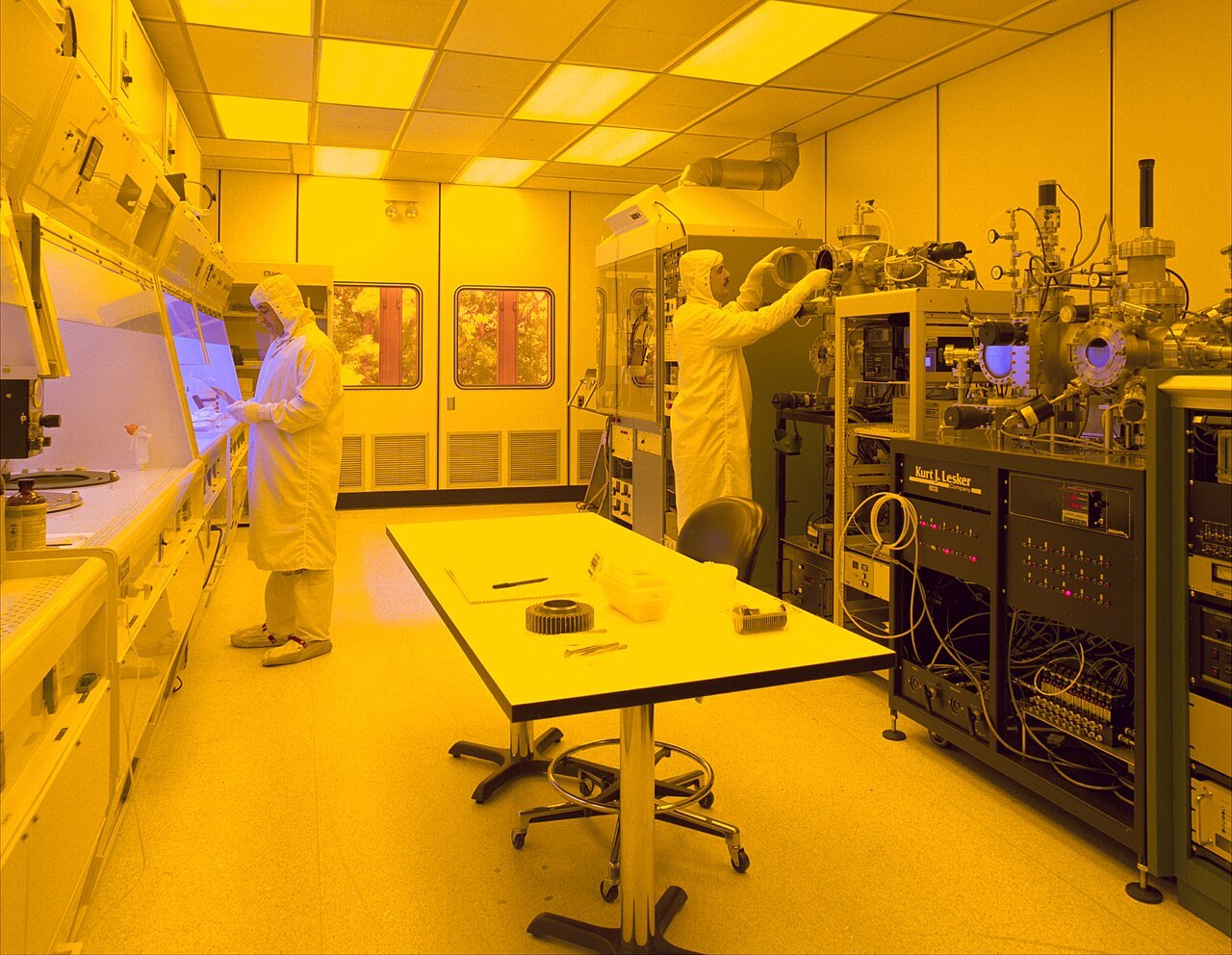
Seven Temp-Humidity Pain Points in Biopharma
Unlike small-molecule drugs, biologics are living systems — sensitive to humidity that drives protein aggregation, microbial risk and failed batches. Generic HVAC falls short.
High humidity → protein damage
Humidity accelerates aggregation and chemical modification (deamidation, oxidation), hurting potency and safety. Even trehalose/sucrose cannot fully stabilize proteins; some excipients recrystallize in hot-humid air.
Differentiated class demands
Classes A/B/C need 45-60% RH, D needs 45-65% RH. One HVAC system must serve all zones without cross-contamination — a real design challenge.
Flaws of cooling dehumidification
Condensation cooling is energy-heavy, condensate pans breed bacteria (a contamination source), and low temps cause frosting that cuts efficiency.
Hard to reach ultra-low RH
Processes like solids and powder handling need <25% RH — traditional HVAC cannot deliver it economically or efficiently.
Equipment start/stop fluctuation
Filling-line start/stop shifts airflow and pressure, disturbing differential pressure and thus temperature/humidity — raising contamination risk.
Hygroscopic raw materials
Many excipients absorb moisture, gaining weight and skewing dosing accuracy — strict humidity control is needed throughout production.
Seasonal humidity spikes
Plum-rain and typhoon seasons push outside moisture in, raising mold risk; regulators tighten inspections of workshop conditions in hot months.
A Deep Solution Centered on Desiccant Wheel Dehumidification
We replace flaw-prone cooling condensation with a graded, smart-controlled desiccant-wheel system — eliminating condensate, reaching ultra-low RH, and cutting energy while staying GMP-compliant.
Why desiccant wheel?
Conventional cooling condensation dehumidification has inherent limits. The desiccant wheel adsorbs vapor via silica gel / molecular sieve — independent of dew point — and regenerates with low-grade heat.
- High-efficiency adsorption: not limited by dew-point temperature
- Low energy: regenerates with low-grade heat, far below cooling dehumidification
- No condensate: removes the bacteria-breeding condensate-pan risk at the root
- No frost at low temp: stable dehumidification even in cold duty
- Reaches ultra-low RH: economically achieves <25% RH
Graded Precision Dehumidification (by cleanroom class)
| Zone | Target RH | Control strategy |
|---|---|---|
| Class A / B / C core | 45%-60% RH | Independent dehumidification loop, tightly controlled |
| Class C | 45%-60% RH | Linked control with Class B |
| Class D | 45%-65% RH | Economical control, balanced with cost |
| All zones | — | Independent supply & return air, no cross-contamination |
Energy Saving & Smart Linked Control
Cut the energy penalty of dehumidification while tightening control — and decouple pressure from climate for stable cleanrooms.
Desiccant wheel vs cooling dehumidification
Cooling condensation wastes energy on reheat and frost cycles. The desiccant wheel regenerates with low-grade heat and removes condensate entirely.
Smart linked control system
- Real-time monitoring: high-accuracy sensors, temp error ≤±0.5°C, RH error ≤±5%RH
- Automated control: auto-adjusts dehumidify / humidify / cool / heat by live data
- Out-of-range alarm: auto-alert and emergency response when limits are breached
- Logging & traceability: record ≥every 30 min, every 2 min when alarmed
Zonal gradient control targets
Pressure decoupling: VAV auto-adjusts supply airflow during equipment start/stop, keeping ΔP ≥10 Pa between classes and vs. outdoors — stable climate without interference.
Temp-Humidity Requirements by Biopharma Process Step
Each step has distinct climate needs — from 37°C cell culture to -40°C freeze-drying. Below are typical validated parameters.

| Process step | Temperature | Humidity / Notes | Clean class |
|---|---|---|---|
| Cell culture | 31-40°C (typ. 37°C) | ~80% RH; also control CO₂ 5-7%, pH, DO; ±1°C shifts enzyme activity | C / B |
| Fermentation | 19-26°C (cell 36-38°C, virus 34-36°C) | 40-60% RH | C |
| Protein purification (chromatography) | ~25°C; some steps 2-13°C; columns at 4°C | pH control (e.g. pH 3.0) as critical as temp | C |
| Formulation & filling | 20-24°C | 45%-60% RH; control room RH for hygroscopic APIs; fill temp ≤25°C for vaccines | A (core) / B |
| Freeze-drying (lyophilization) | Freeze <-40°C; 1st dry -14~5°C; 2nd dry 20-26°C | Residual moisture 1-2%; affects cake structure & speed | A / B background |
Temp-Humidity Requirements for Pharma Storage
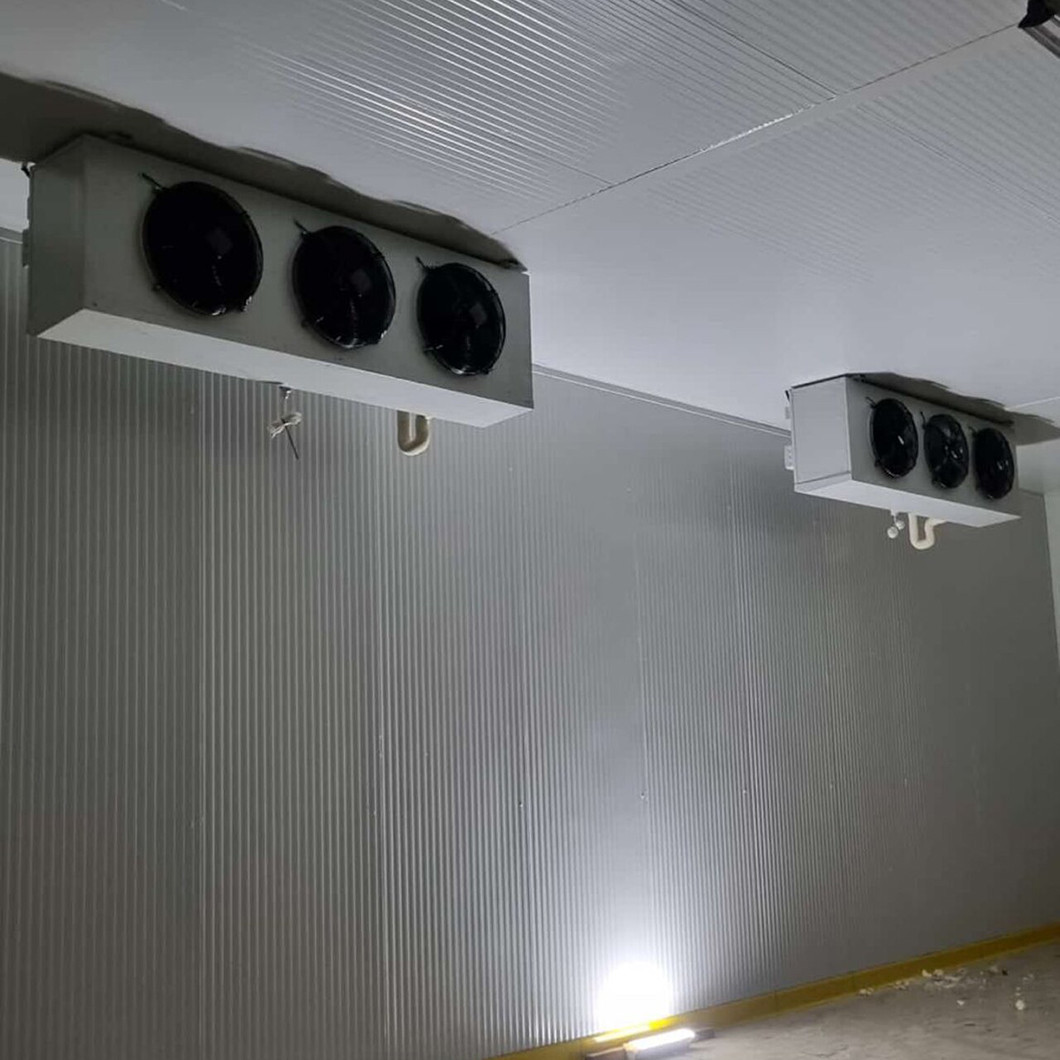
From raw materials to finished biologics, storage is strictly regulated. We provide zoned, auto-monitored dehumidification across all temperature tiers.
| Storage type | Temperature | RH |
|---|---|---|
| Room temp | 10-30°C | 35%-75% |
| Cool | ≤20°C | 35%-75% |
| Cool-dark (light-protected) | ≤20°C | 35%-75% |
| Low temp | 2-10°C | 35%-75% |
| Biologics (ChP) | 2-8°C | Validated, light per monograph |
| USP CRT | 20-25°C (mean kinetic ≤25°C) | — |
| USP Refrigerated | 2-8°C | — |
Room-temp warehouse
35%-75% RH, continuous automated temp-humidity monitoring
Cool / cold rooms
Low-temp dedicated dehumidifiers to avoid frosting
Zoned temperature control
Room-temp / cool / refrigerated managed as independent zones
Continuous monitoring
Uninterrupted logging; alarm & 2-min records when out of range
Reliability, Compliance & Risk Control
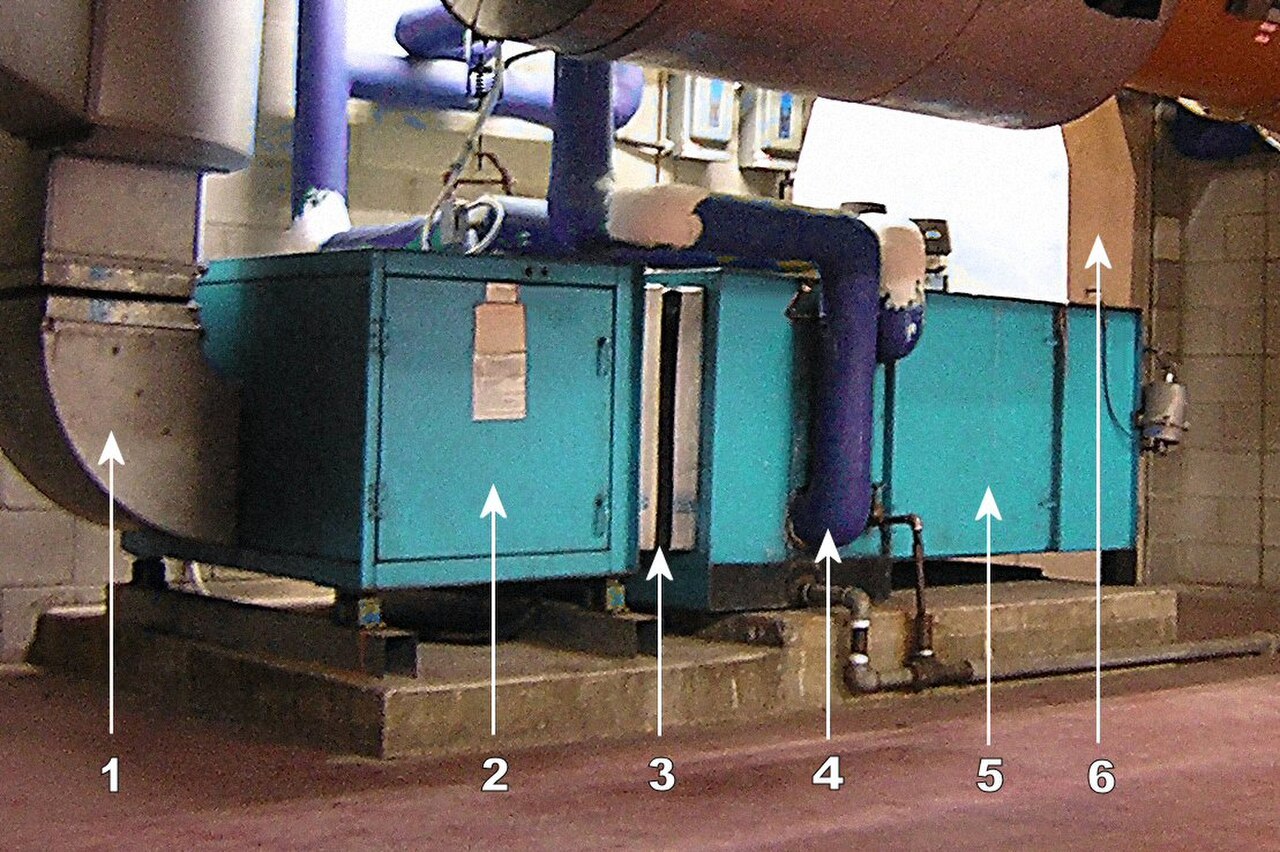
Regulated environments leave no room for drift. We build monitoring, pressure control and seasonal readiness into the system.
Continuous monitoring
Auto system logs ≥every 30 min; temp error ≤±0.5°C, RH ≤±5%RH; 2-min logging + alarm when out of range.
Pressure decoupling
VAV keeps ΔP ≥10 Pa between classes and outdoors, decoupled from temp-humidity to avoid mutual interference.
Energy efficiency
Desiccant wheel vs cooling dehumidification saves substantial energy via low-grade-heat regeneration.
Seasonal readiness
Pre-season preventive maintenance; added standby dehumidification for plum-rain / typhoon peaks; tighter airlock control.
Material & personnel control
Airlock management at personnel/material entry reduces outside moisture intrusion.
Full traceability
Complete temp-humidity records satisfy GMP audit and verification requirements.
Get Your Biopharma Temp-Humidity Control Design
Tell us your cleanroom classes, processes and storage tiers — our engineers will deliver a graded dehumidification configuration and compliance plan within 1 business day.
Frequently Asked Questions
Clear, direct answers that search engines and AI answer engines can cite.