
Public Space Dehumidification
Dehumidification Solutions for Libraries, Museums, Swimming Pools and Underground Car Parks
The short answer: public buildings fail humidity control because every zone needs a different relative humidity band, and one dehumidifier cannot serve them all. Rare-book stacks need 45–60% RH held within ±5% RH a day. Museum display cases need 50%±5% RH at 30 dB or quieter. Indoor pool halls need 55–65% RH in a warm chlorinated atmosphere. Underground car parks need to stay below 60% RH with condensate lifted out mechanically. The workable route is zoned equipment selection plus one shared intelligent control layer.
- Setpoints derived from the governing code for each venue type
- Graded acoustic targets from 30 dB to 55 dB
- Gravity, pumped or drain-free condensate strategies
- One control platform across all zones, 24/7 unattended
Target Conditions at a Glance
Before selecting equipment, fix the numbers. The table below consolidates the temperature, humidity, acoustic and drainage requirements that apply to each venue and zone.
| Venue / zone | Temperature | Relative humidity | Daily fluctuation | Noise ceiling | Condensate route | Reference standard |
|---|---|---|---|---|---|---|
| Library — general book stacks | 22°C typical, 5–30°C limit | 50–60% RH, 30–65% RH allowed | Not specified | ≤38 dB in reading zones | No pipework through the stack; organised external roof drainage | JGJ 38-2015 |
| Library — compact stacks | 14–24°C, ≤24°C in summer | 45–60% RH, ≤60% in summer | Not specified | ≤38 dB | Gravity drain to plant room | JGJ 38-2015 |
| Library — rare books and special collections | 16–22°C | 45–60% RH | ≤2°C and ≤5% RH | ≤38 dB, no cycling noise | Sealed line with leak detection | JGJ 38-2015 |
| Library — Republican-era document stacks | 14–24°C | 40–60% RH | ≤3°C and ≤5% RH | ≤38 dB | Sealed line with leak detection | JGJ 38-2015 |
| Museum — general galleries | 18–24°C, 15–25°C range | 50%±5% RH, ≤70% RH absolute limit | ≤4°C and ≤5% RH | ≤50 dB gallery, ≤30 dB display case | Maintenance-free, no pipework through collection zones | JGJ 66-2015, WW/T 0096-2020 |
| Museum — metal artefacts | 16–22°C | ≤45% RH | <4°C and <6% RH | ≤30 dB | Drain-free microenvironment | WW/T 0096-2020 |
| Indoor swimming pool hall | 28–30°C, 2°C above water, ≤30°C | 55–65% RH, 60–70% at pool deck, ≤80% limit | Not specified | ≤45–60 dB | High-capacity condensate discharge | CJJ 122-2017, GB 37488-2019, CJ/T 528-2018 |
| Underground car park | ≤26–28°C | ≤60% RH, 55% RH typical target | Not specified | ≤55 dB | Gravity ≥DN25 at ≥1% slope, or pump ≥30 L/min | GB 50325-2020 |
Epoxy floor coating works in car parks add a separate constraint: substrate moisture below 8%, ambient air below 75% RH and 10–35°C during application.
Four Venue Types, Four Different Control Problems
The humidity number is only half the brief. Each venue also imposes its own acoustic, drainage and corrosion constraints, and those constraints decide the machine.
 Library
Libraries and Archive Stacks
Paper degrades in both directions: above 65% RH pages mould and fibres soften, and below 45% RH they turn brittle. Special collections therefore need a narrow band and a flat curve.
- Humidity
- 45–60% RH, daily swing ≤5% RH for special collections
- Acoustics
- Below 38 dB with no intermittent start-stop noise
- Drainage
- Water and drainage pipes must not cross the stack or combined reading room
- Control
- PID loop interlocked with fresh air; stops on setpoint to avoid over-drying
Main risk: condensation on floors and walls, and pipe leakage above the collection.
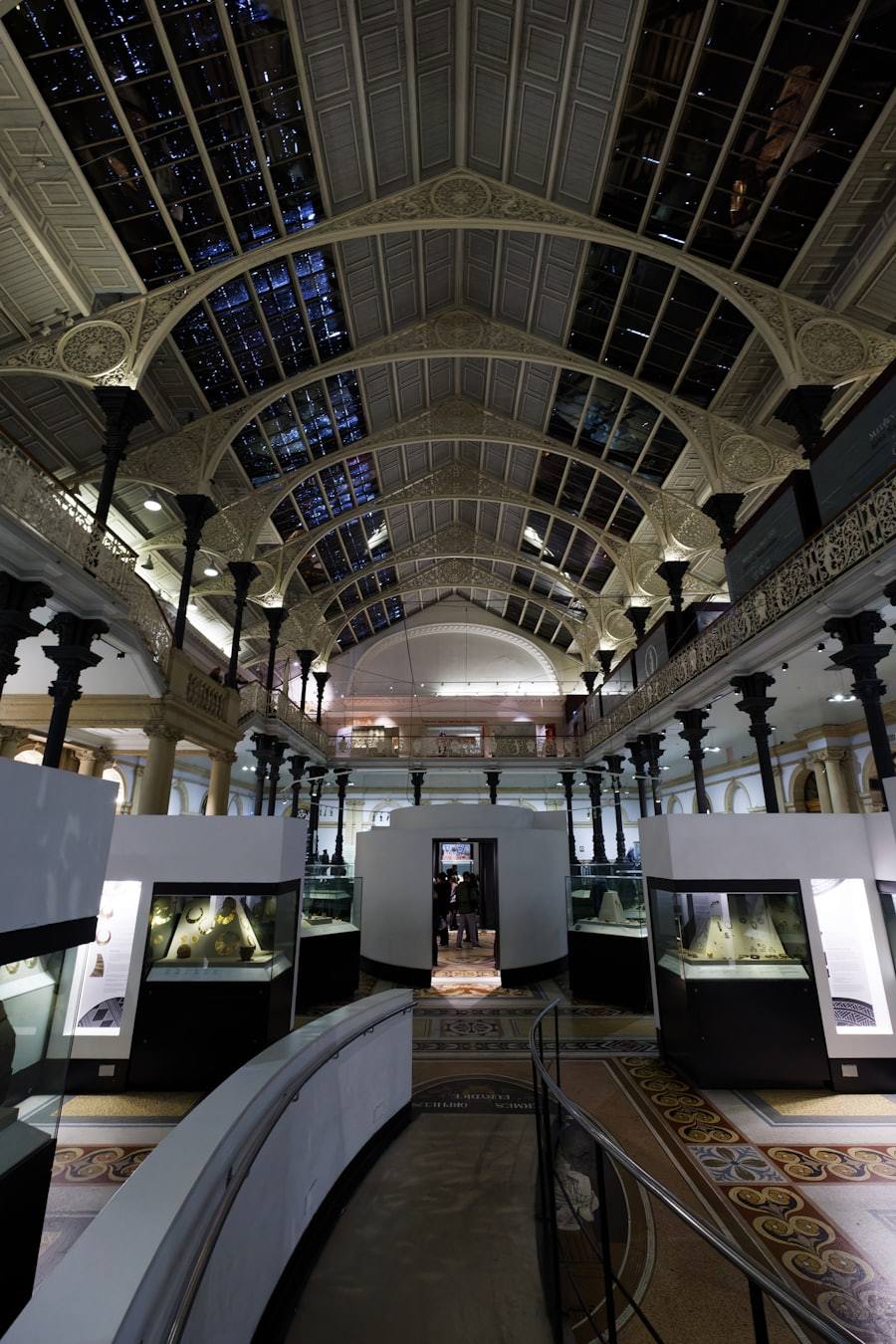
 Museum
Museums and Collection Stores
Setpoints split by material. Paper and textiles want 50–60% RH; bronze, iron and other stable-low-humidity classes want 45% RH or less. One gallery can therefore carry several targets at once.
- Humidity
- 50%±5% RH general, ≤45% RH for metals, ≤70% RH absolute ceiling
- Acoustics
- ≤30 dB inside display cases, ≤50 dB in public galleries
- Drainage
- Drain-free microenvironment preferred; grade 1 waterproofing below ground
- Control
- Hundreds of sensing terminals, automatic alarms, 24/7 operation including closing hours
Hard rule: chemical desiccation is not permitted, because off-gassing damages artefacts.
 Pool
Pool
Indoor Swimming Pools
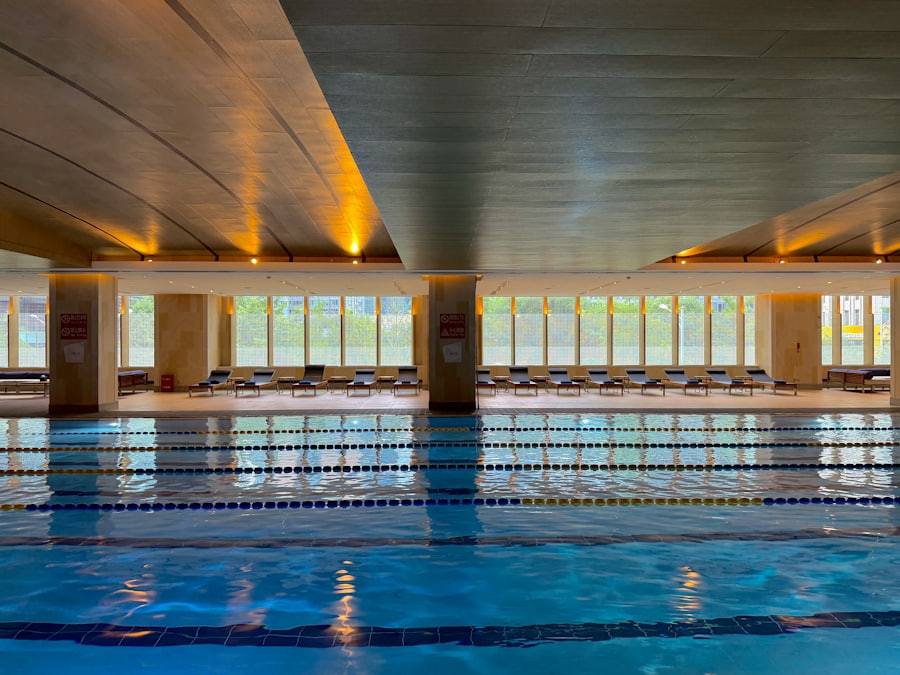
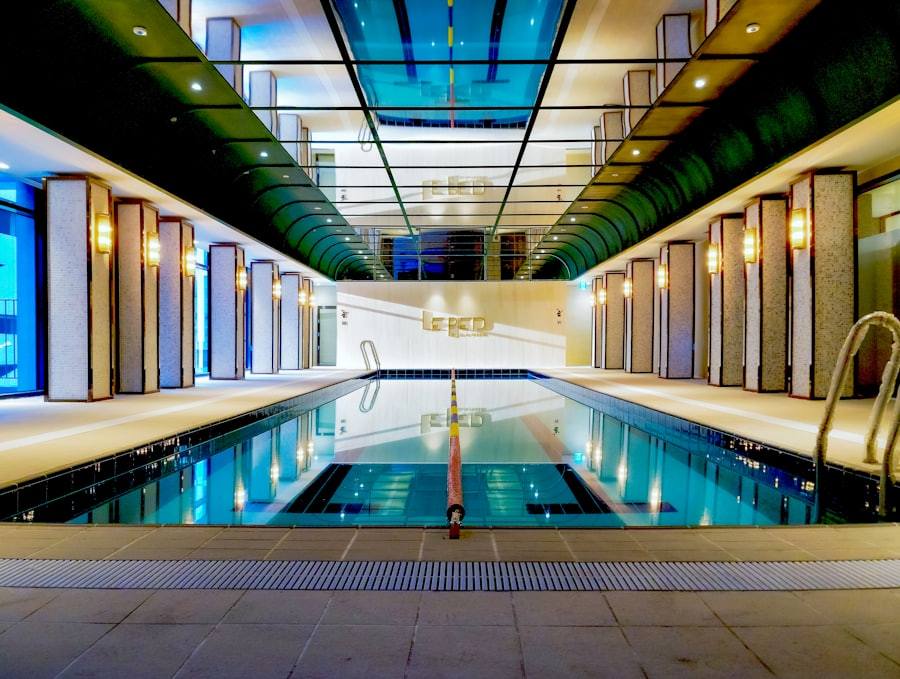
The hardest thermal case. Moisture arrives from the open water surface, the wet deck, bathers and fresh air at the same time, in air that is warm and chlorine-laden.
- Humidity
- 55–65% RH in the hall, 60–70% RH at the pool deck, 80% RH hard limit
- Acoustics
- 45–60 dB; ceiling-concealed units are the usual noise offender
- Drainage
- High-capacity condensate system coordinated with building services
- Control
- PLC control of dehumidification, heating and heat recovery with fault-code history
Roughly 80% of pool noise complaints trace back to installation, not the machine.
 Car park
Underground Car Parks
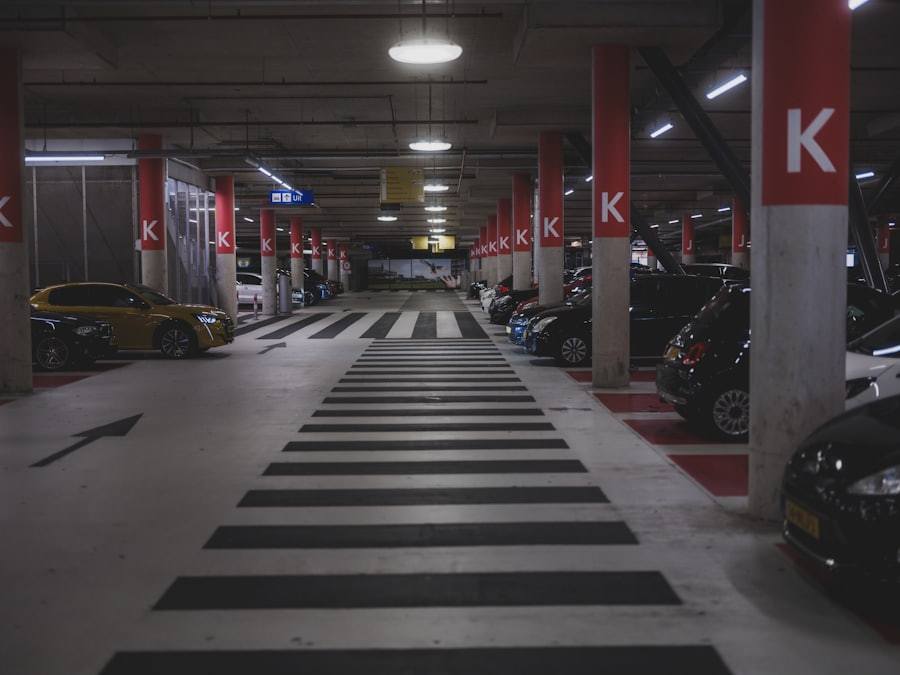
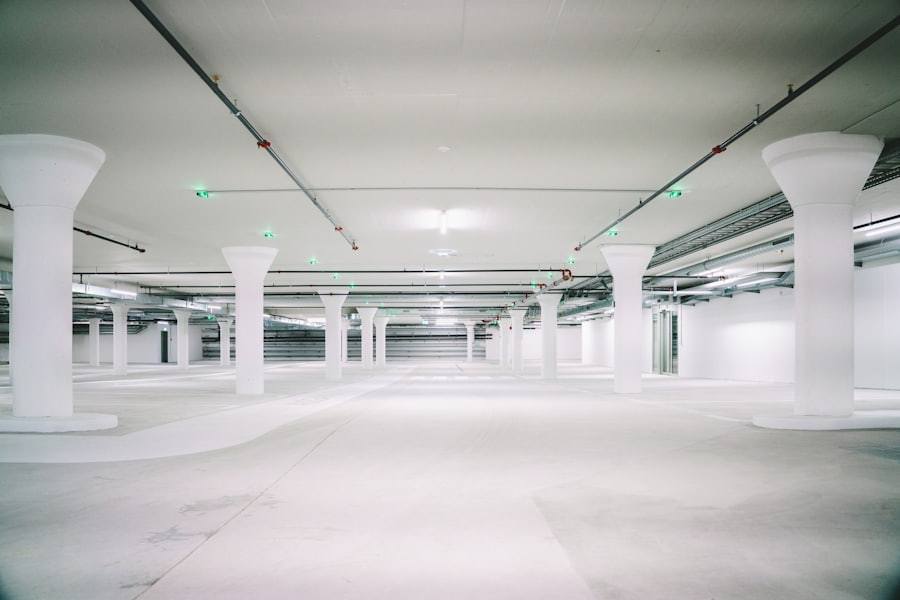
Below grade, poorly ventilated and permanently damp. Warm humid air meeting cold slabs and columns condenses, and the water lands on the floor, the equipment and the cars.
- Humidity
- ≤60% RH, 55% RH typical target, ≤70% RH for critical equipment rooms
- Acoustics
- ≤55 dB; 30 cm clearance on both sides and behind the unit
- Drainage
- Gravity ≥DN25 at ≥1% slope with no U-traps, or a pump ≥30 L/min
- Control
- Dew-point trend analysis, triggered when RH exceeds 70% for five minutes
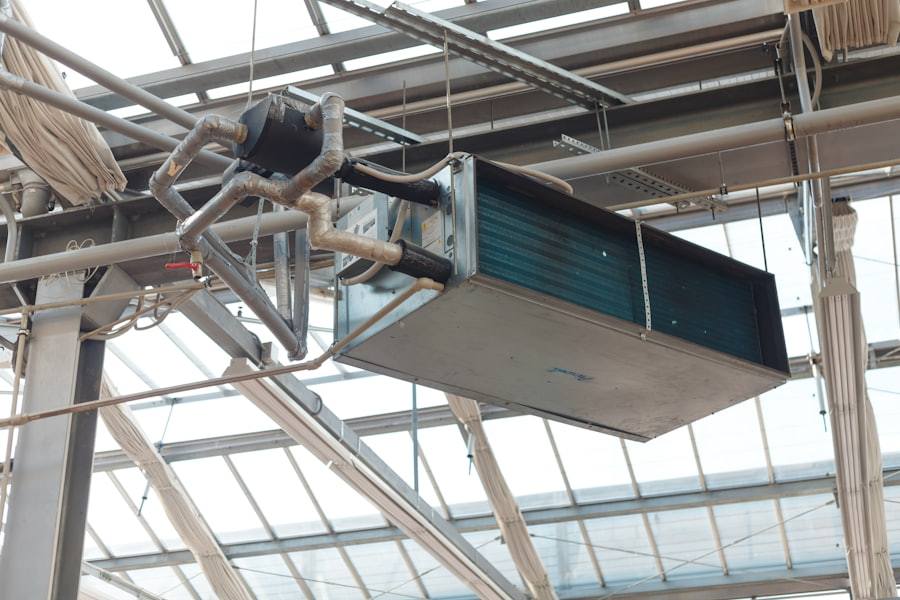
Ceiling-hung units are bulky and awkward to transport, install and service.
Five Pain Points Every Public Venue Shares
Across libraries, museums, pools and car parks the same five obstacles keep appearing. They are what a solution has to answer.
Divergent setpoints, one building
General stacks at 30–65% RH sit beside special collections at 45–60% RH with ±5% daily tolerance. Museum paper wants 50–60% RH while bronze wants ≤45% RH. A single machine and a single setpoint cannot cover this.
Silence versus compressor noise
Display-case equipment is capped at 30 dB and reading rooms at 38 dB, yet conventional dehumidifiers generate noise from compressor cycling, fan turbulence and cabinet resonance. Ceiling installation amplifies it through structure-borne transmission.
Drainage routes that are simply not available
Pipes may not cross library stacks or museum collection zones. Car parks want gravity drainage but rarely have the levels for it. Reliable, low-maintenance condensate removal is the recurring design bottleneck.
Corrosion cutting equipment life short
Chlorinated pool air and permanently damp car park air attack casings, fins and electrics. Standard dehumidifiers lose years of service life in these rooms.
Unattended, always-on operation
Every venue expects 24/7 running with automatic monitoring, self-adjustment, remote visibility and fault alarms. Manual adjustment no longer matches how these buildings are managed.
The Solution Framework, Layer by Layer
Six coordinated layers. The first fixes accuracy, the next three fix physical reliability, and the last two fix operation and selection.
Zoned Precision Humidity Control
Each zone gets its own control unit rather than a shared setpoint. Special-collection stacks take high-precision constant temperature and humidity plant at ±1°C and ±3% RH; general stacks take standard units. Museums are zoned by artefact material, using sealed microenvironment enclosures that isolate the object from the room and actively condition the air inside.
Variable-speed compressors hold humidity inside ±3% RH and remove the cycling that causes both humidity swing and noise.
Layer 02 · Multi-stage acoustic engineering
Anti-vibration levelling feet, an acoustic hood over the compressor, low-noise axial fans, flexible connections at every duct joint and rubber isolation pads for ceiling mounting. Targets are graded: ≤30 dB display case, ≤38 dB reading room, ≤45–50 dB pool hall, ≤55 dB car park.
Layer 03 · Three compatible drainage strategies
Gravity discharge at ≥DN25 and ≥1% slope with no U-traps; pumped lift at ≥30 L/min with float switch plus audible and visual alarm; or a fully drain-free microenvironment for museum enclosures. Every route uses leak-proof joints and leak detection.
Layer 04 · Corrosion and weather hardening
Pool duty: engineering-plastic or 304 stainless casing, hydrophilic anti-corrosion fin coating, sealed waterproof electrics. Car park duty: electrophoretic plus powder coating on sheet metal and IP54 or higher protection on critical electrical interfaces.
Layer 05 · Three-tier intelligent control
Sensing, control and management layers with cross-system interlock, detailed in the next module.
Layer 06 · Venue-matched equipment matrix
Machine class, accuracy, acoustic grade and drainage option pre-mapped to each venue, so selection starts from the room rather than the catalogue.
Three-Tier Intelligent Control Architecture
Sense the room, decide locally, report globally. This is what makes 24/7 unattended operation realistic.
Sensing layer
A distributed temperature and humidity sensor network. Museums deploy hundreds of monitoring terminals; car parks place sensors mid-lane and near columns where dew point drops first. Wall-surface temperature is captured alongside air conditions.
Control layer
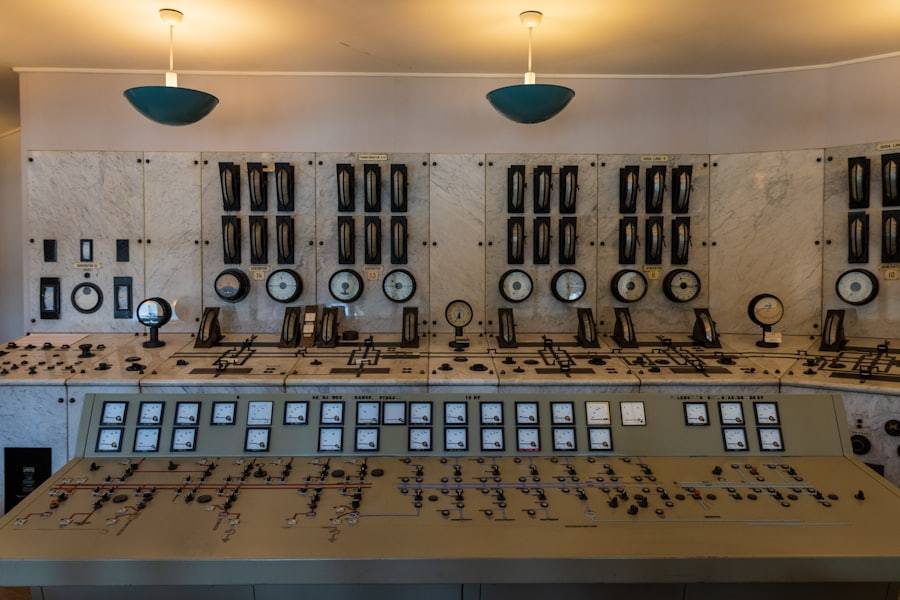
A PID loop starts dehumidification when humidity drifts above setpoint and stops it on target, avoiding over-drying. Cascaded logic runs air conditioning first and brings in desiccant plant only if humidity is still out of range. Car park controllers analyse dew-point trend and modulate frequency and run time.
Management layer
Remote monitoring from phone or desktop with live readings, equipment status and fault alarms. Historical data supports trend review and preventive maintenance planning.
System interlock and energy use
Dehumidification is interlocked with fresh air and air conditioning. The controller compares indoor and outdoor conditions and selects the lowest-energy mode that still holds the setpoint, rather than running dehumidification against the ventilation system. Pool plant adds a third mode, switching between dehumidification, heating and heat recovery under PLC control.
Further reading on venue-specific commissioning is collected in our technical blog.
Recommended Equipment Matrix by Venue
A starting point for selection. Final capacity follows the calculated moisture load of the specific room.
| Application | Recommended equipment type | Core configuration |
|---|---|---|
| Library special-collection stacks | High-precision constant temperature and humidity unit | ±1°C temperature, ±3% RH humidity, noise ≤38 dB |
| Museum galleries and stores | Low-noise constant-humidity unit with air purification | ≤30 dB display-case grade, remote monitoring, drain-free |
| Indoor swimming pool halls | Corrosion-resistant three-in-one dehumidification heat pump | Anti-corrosion casing, ≤50 dB, PLC intelligent control |
| Underground car parks | Ceiling-mounted anti-condensation dehumidifier | Slimline body, inverter control, gravity or pumped drainage |

Standards and Codes the Design Follows
Every figure quoted on this page is traceable to a published code or industry standard.
Frequently Asked Questions
Direct answers to the questions specifiers ask most often.
What relative humidity should a library book stack be kept at?
General stacks are usually held at 50–60% RH, with the code permitting 30–65% RH and temperature between 5°C and 30°C. Rare-book and special-collection stacks tighten this to 45–60% RH at 16–22°C, with daily variation limited to 5% RH and 2°C.
How quiet does a museum dehumidifier have to be?
Equipment serving display cases is limited to 30 dB. Units running in public galleries are generally kept below 50 dB so they do not intrude on the visit. Chemical desiccation is prohibited in museums regardless of noise, because the off-gassing risks the collection.
Why do ceiling-mounted pool dehumidifiers become noisy?
Because they are concealed in the ceiling void, any vibration couples straight into the structure. Around 80% of complaints come from installation rather than the unit: missing anti-vibration mounts, rigid duct connections and poorly sized ductwork. Correct isolation and flexible connections resolve most cases.
Can an underground car park dehumidifier work without a floor drain?
Yes. Where levels prevent gravity discharge, fit a dedicated condensate pump rated at 30 L/min or more, with a float level switch and an audible and visual alarm. Gravity remains preferable where achievable: ≥DN25, ≥1% slope, no U-traps anywhere in the run.
Does one dehumidifier model suit a whole public building?
No. Setpoints, acoustic limits, drainage options and corrosion exposure differ too much between a stack room, a gallery, a pool hall and a car park. The practical approach is zone-specific machines under one shared control and monitoring platform.
Bringing It Together
Set the numbers per zone, choose the machine that meets the acoustic and corrosion reality of that room, give every unit a drainage route that can actually be built, and tie the whole estate to one control layer. That combination covers libraries, museums, indoor pools and underground car parks without compromise in any of them.
Company background and manufacturing capability are outlined on our about us page.