
Keep every battery cell born in ultra-dry conditions
A full-chain temperature and humidity control solution for lithium-ion and lead-acid battery manufacturing and storage. Built on rotary desiccant dehumidification, it delivers dew point ≤-50°C at electrolyte filling and sealing, with zonal gradient management, up to 50% energy saving and PLC/BMS precision control — compliant with GB38031-2025.
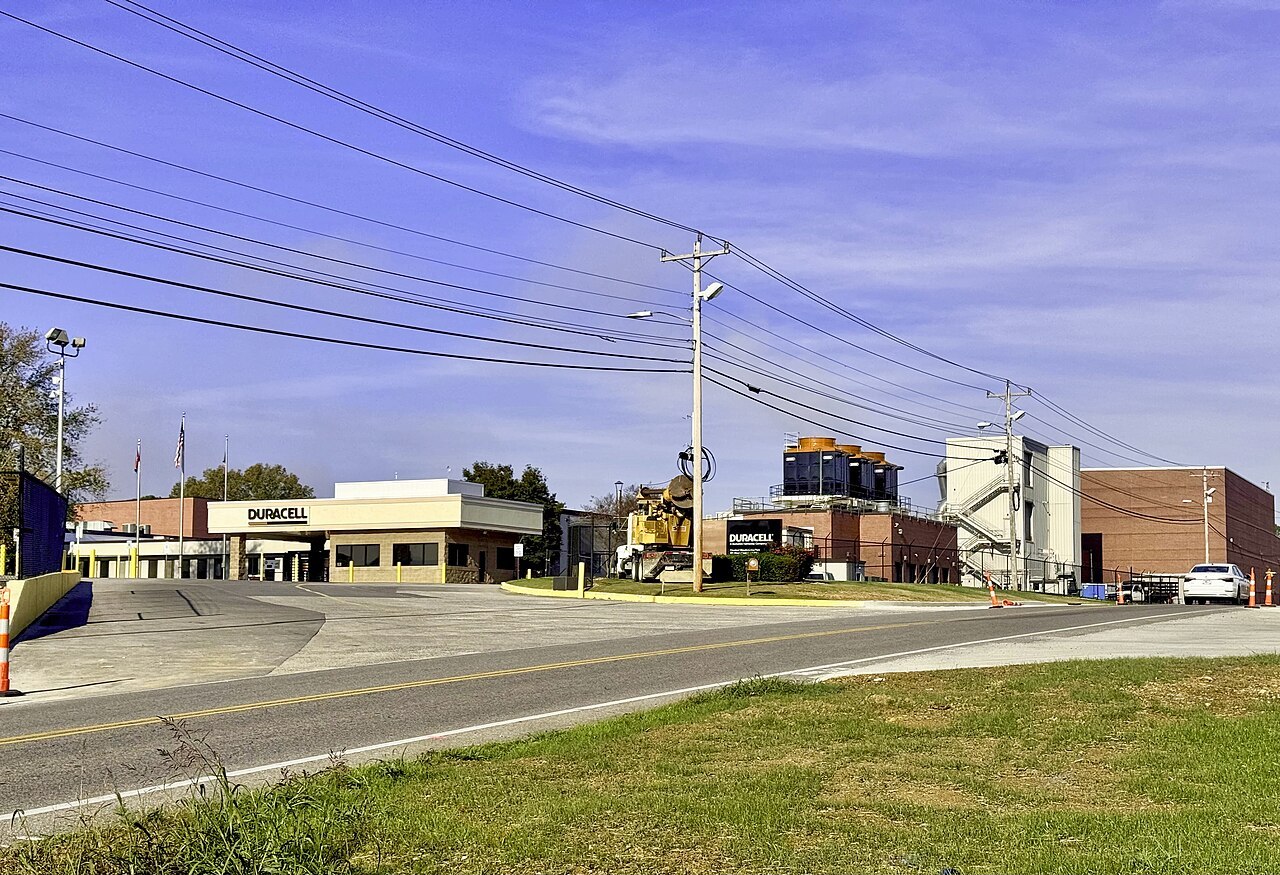
Why professional temp-humidity control decides battery yield
Moisture is the biggest enemy in lithium-ion production. It reacts with the electrolyte to form hydrofluoric acid, corroding electrodes and current collectors. In lead-acid lines, plate curing needs 90-98% RH while drying must drop below 30% — a sharp swing only flexible, reliable equipment can handle.
Six Temp-Humidity Pain Points in the Battery Industry
Li-ion cells are extremely moisture-sensitive, while lead-acid curing needs high humidity — poor control directly causes swelling, corrosion, yield loss and safety risk.
Ultra-low dew point challenge
Filling/sealing need -40°C to -50°C; solid-state batteries reach -60°C to -80°C (RH <1%). Standard HVAC and conventional dehumidifiers cannot get there.
Huge dry-room energy use
Dry rooms consume 30%-40% of a Li-ion line's energy, with wheel regeneration heating alone at 50-60%. Cutting energy while hitting the dew point is a core engineering problem.
Big process gaps, complex systems
From coating ≤30% RH to filling ≤-50°C dew point, the span is huge — requiring multi-stage zonal systems that raise design and O&M complexity.
Legacy equipment lacks precision
Traditional dehumidifiers struggle to hold ±1°C dew point over long runs and are sensitive to inlet conditions — any drift hurts quality.
Storage often neglected
Too humid → shell corrosion & electrolyte breakdown; too dry → seal aging. Most plants focus on the shop floor and overlook storage.
Lead-acid curing specifics
Plate curing needs 90-98% RH, then drying must drop below 30% — this sharp high/low swing tests equipment flexibility and reliability.
A Deep Solution Centered on Rotary Desiccant Dehumidification
Rotary desiccant dehumidification is the dominant method for industrial ultra-low dew point. We build a full-chain system of staged configuration, energy saving, precision control, zonal gradients and storage assurance.
Why rotary desiccant wheels?
Conventional cooling dehumidification bottoms out around 5-10°C dew point — far from enough. The desiccant wheel, via rotating media regeneration, outputs stable -10°C to -70°C dew point, continuously and customizable.
- ✓High capacity & efficiency: stable low dew point from -10°C to -70°C
- ✓Continuous operation: wheel rotates slowly (~8-10 rpm) for steady dehumidification
- ✓Media options: silica gel / molecular sieve / lithium chloride, tailored to duty
- ✓Fits critical steps: filling, sealing, electrode storage and other sensitive zones
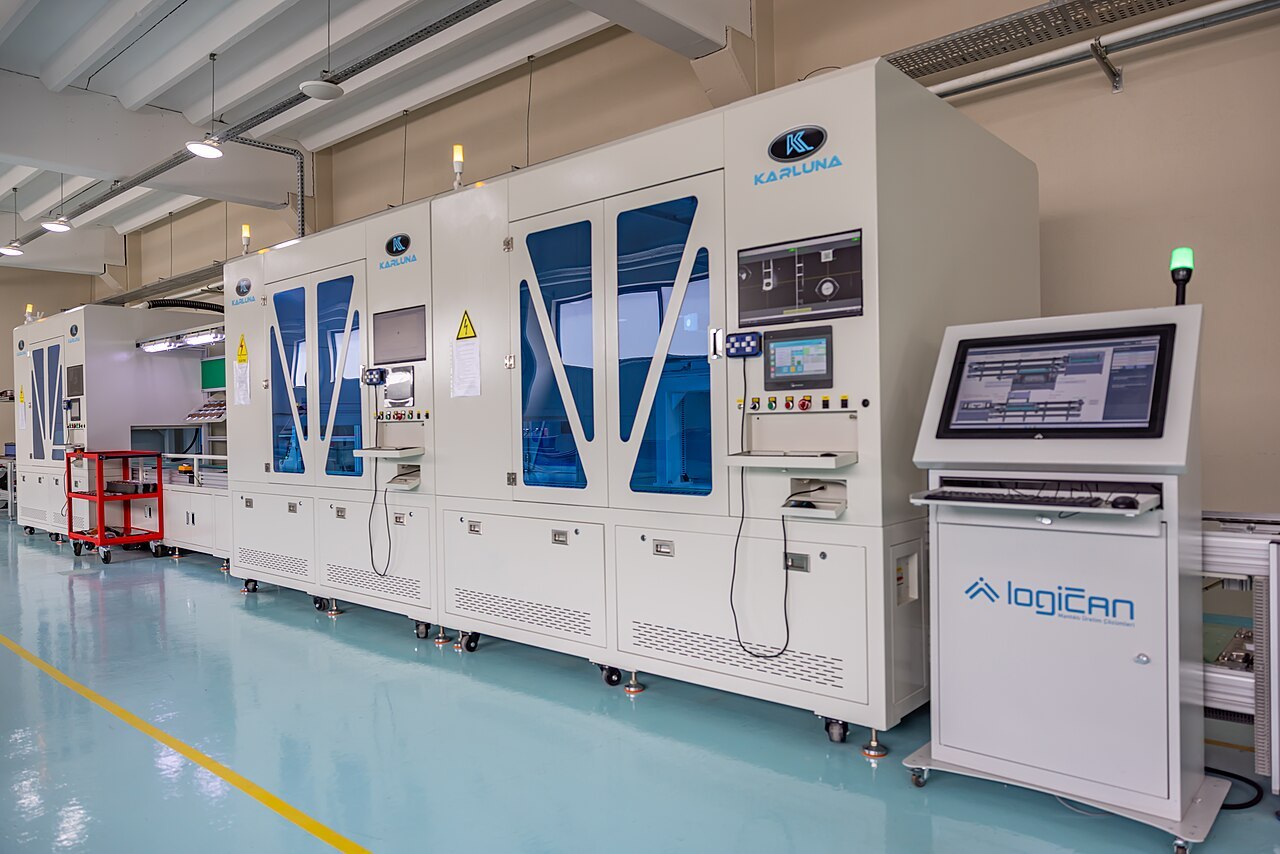
Staged Dehumidification Configuration (by floor area)
| Floor area | Recommended solution | Features |
|---|---|---|
| Small (<200„) | All-in-one desiccant unit | Airflow 2000-5000 m³/h, low capex, easy install |
| Medium (200-500„) | Split desiccant system | Airflow 5000-20000 m³/h, steam/gas heating, 40-60% less energy |
| Large (>500„) | Two-stage (cooling + wheel) | Cool to 10-15°C first, then wheel to ≤-40°C, 40-50% energy saved |
Energy Saving & Precision Control
Under stringent dew point demands, the right tech pushes both energy and fluctuation to the minimum.
Dry-room energy breakdown
Dry rooms take 30%-40% of a Li-ion line's energy. We restructure that load with heat-pump coupling and two-stage dehumidification.
Precision control system
- ✓High-accuracy sensor network: 2-3 sensors per 100„, ±0.5%RH, ±0.1°C
- ✓PLC / DCS smart control: dynamically tune HVAC, dehumidifiers, humidifying valves; PID-optimized response
- ✓BMS integration: links to energy management for traceability, alarms and efficiency optimization
- ✓Zonal gradient strategy: independent control units per process, no cross-interference
Zonal gradient control targets
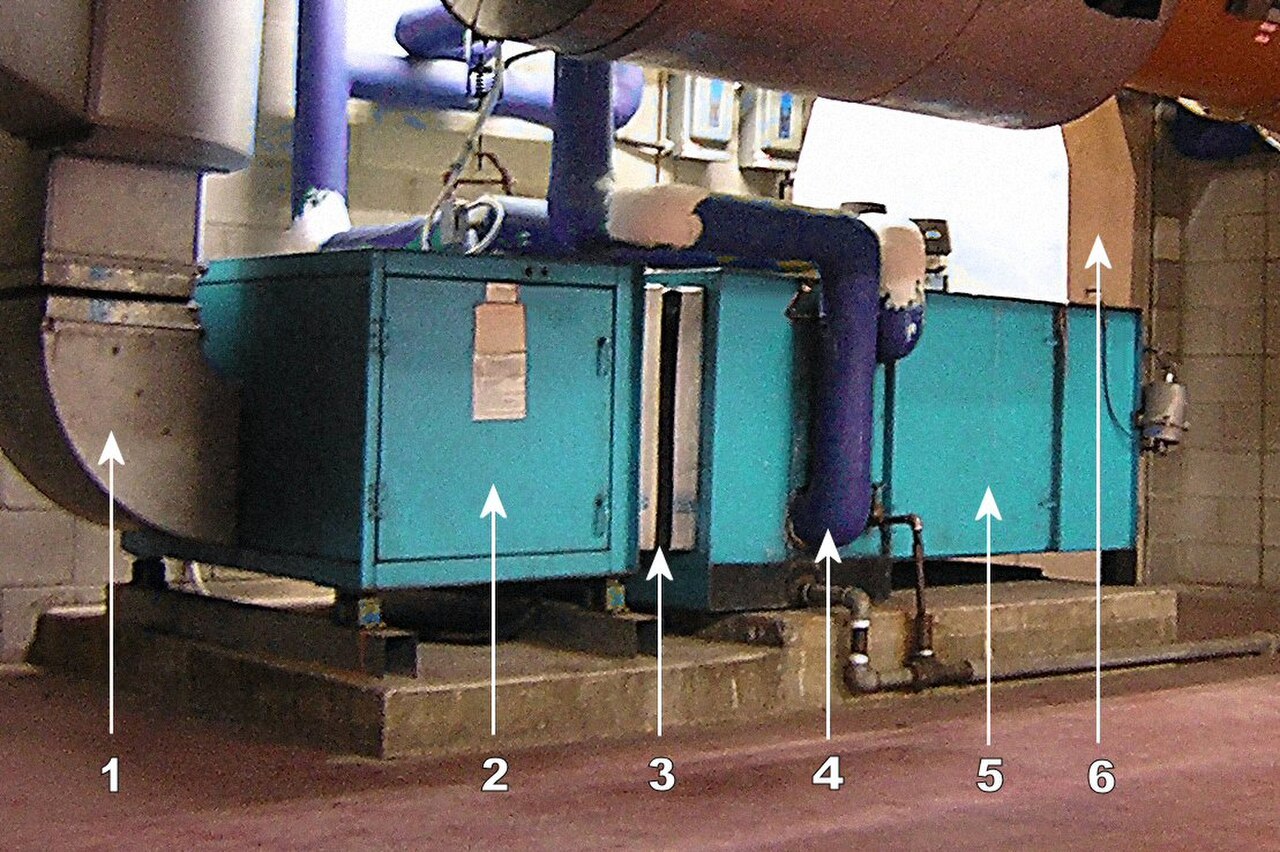
Temp-Humidity Requirements by Li-ion Process Step
Humidity needs vary sharply by step. Below are typical process parameters; solid-state and high-nickel NCM need stricter conditions.
| Process step | Temperature | Humidity / Dew point | Note |
|---|---|---|---|
| Mixing / Slurry | 23±2°C | RH ≤30% | Prevent active-material moisture |
| Coating | 22-26°C | RH ≤10%-30% | High RH → slurry clumping, uneven coat |
| Calendering / Slitting / Bake | 23±2°C | RH ≤20% | Residual water → swelling, short circuit |
| Winding / Stacking | 25±2°C | Dew point ≤-35°C | — |
| Assembly (pre-weld) | 25±2°C | Dew point ≤-40°C | — |
| Electrolyte filling (core) | 20-25°C | Dew point ≤-45°C to -50°C | Strictest, RH <1% |
| Sealing | 20-25°C | Dew point ≤-40°C | — |
Temp-Humidity Requirements for Finished & Raw Material Storage
Storage is often overlooked yet directly decides a battery's safety and life in long-term holding. We provide independent dehumidification units with real-time monitoring and alarms.
| Parameter | Required range |
|---|---|
| Storage temperature | 15-25°C (recommended), extreme 0-60°C |
| Storage RH | 45%-75% (recommended) |
| Safe storage RH | 40%-70% |
| Avoid exceeding | RH >90% or <40% must be avoided |
| Temp fluctuation | Avoid sharp changes |
Electrolyte warehouse
RH ≤30%, independent dehumidification unit
Electrode material storage
20±5°C; high-nickel cathode best at ~-45°C dew point dry condition
Electrode storage
In dry room, RH ≤1%
Lead-acid battery storage
5-40°C, RH <80% (recommended 40%-60%, max 85%)

Reliability & Emergency Assurance
Continuous production cannot stop. We build full-lifecycle assurance from redundancy and power to maintenance.
N+1 redundancy
Backup dehumidifier units keep production running; single-point failure won't halt the line.
Backup power
Diesel generators sustain operation during outages, preventing temp-humidity breaches.
Scheduled maintenance
Replace pre/mid filters monthly; inspect wheel and refrigerant systems quarterly.
Personnel & material control
Staff pass through air showers; materials dried via pass boxes.
Real-time alarm
Instant alerts on out-of-range conditions; traceable data, closed-loop management.
BMS efficiency opt.
Linked to energy management; auto-optimizes operation strategy, lowers total energy.
Get Your Battery Temp-Humidity Control Design
Tell us your floor area, processes and dew point target — our engineers deliver a staged dehumidification configuration and energy estimate within 1 business day.
Submit & Get Plan →Typical reply within 1 business day · Confidential NDA available
Frequently Asked Questions
Direct answers to the questions battery plant managers ask most — also structured for search and AI answer engines.