
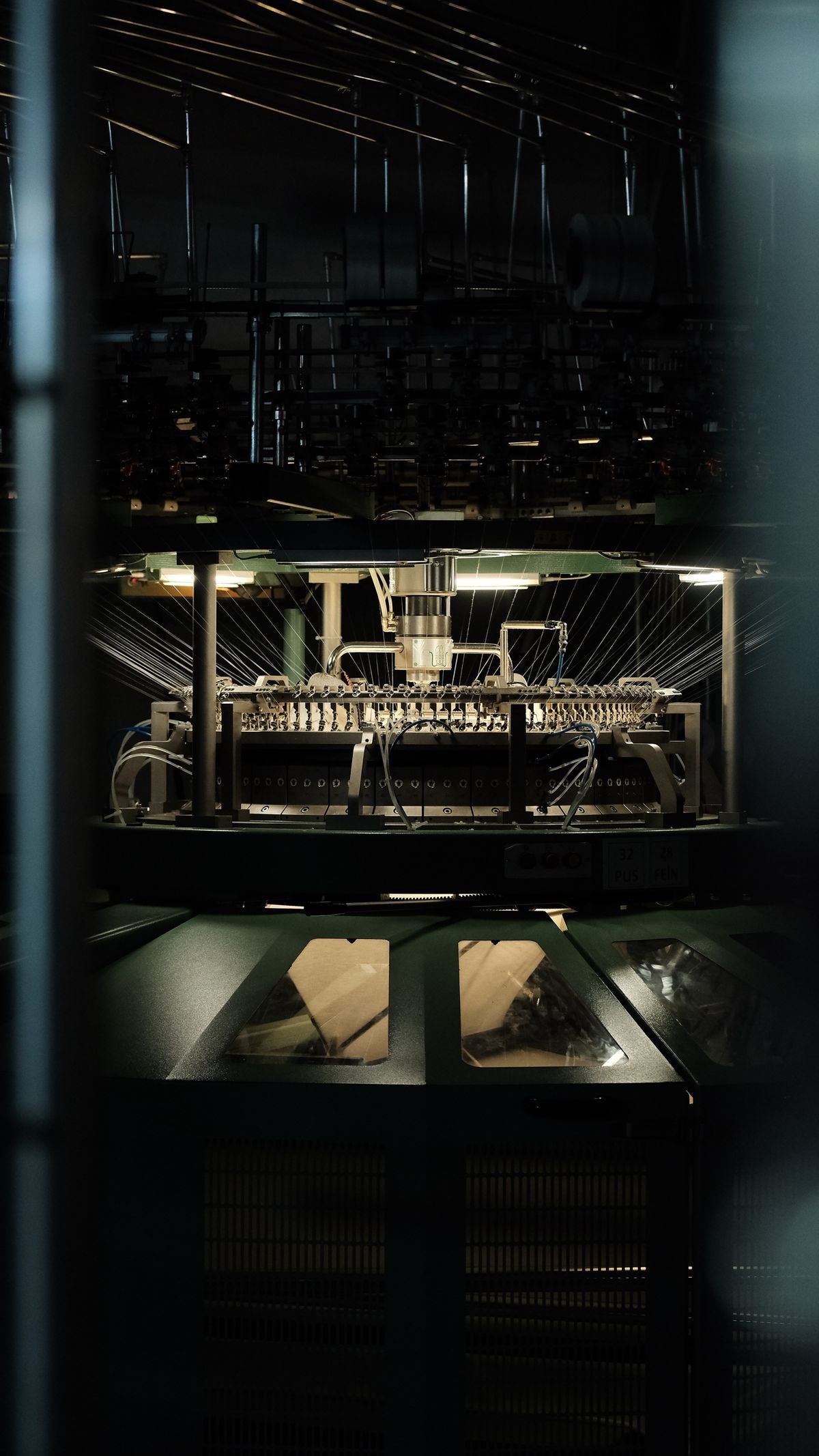
Precision Temperature & Humidity Control for Textile and Garment Manufacturing
From spinning and weaving to cutting, sewing, finishing, packaging, and storage, every stage of textile production depends on tightly controlled humidity. We deliver zoned industrial dehumidification and smart climate control that keeps each workshop within its exact specification—preventing mold, fiber breakage, and quality loss while cutting energy use.
Why Humidity Control Is Critical in Textile Plants
Textile fibers are hygroscopic—they absorb and release moisture with the surrounding air. Small humidity deviations change fiber strength, static, and dimensional stability, directly affecting yarn quality and defect rates. That is why climate control is not optional on a textile floor.
Every workshop—opening, carding, spinning, weaving, sewing, cutting, finishing, packaging—needs its own humidity setpoint.
Requirements swing from 45% in cutting rooms to 76% in winter weaving halls across the plant.
Packaging must stop the moment humidity exceeds 65% to avoid mold on finished goods.
Conventional textile HVAC can consume up to 30% of total workshop energy.
Temperature & Humidity Requirements by Production Process
The table below summarizes the standard temperature and relative-humidity (RH) windows for each textile and garment manufacturing stage. Use it to size and zone your dehumidification system.
| Process | Temperature | Relative Humidity (RH) | Key Risk if Out of Range |
|---|---|---|---|
| Opening / Cleaning | 24–30°C | 60–65% | Fiber becomes fragile and breaks; poor opening and cleaning |
| Carding | 25–32°C | 50–55% | More neps, poor cleaning, more ends down |
| Combing | 25–32°C | 50–55% | Short-fiber and impurity removal suffers |
| Drawing | 22.5–24°C | 57–62% | Uneven sliver, poor uniformity |
| Roving | 25–32°C | 60–65% | Weak roving, downstream processing issues |
| Spinning | 28–33°C | 55–60% | Lower yarn strength, more breakage |
| Auto-Winding | 27–32°C | 65–70% | Knot and package defects |
| Weaving (Summer / Winter) | 25–31°C / 22–26°C | 68–74% / 70–76% | Shedding, sizing and cloth defects |
| Sewing | 18–25°C | 45–65% | Up to 15–20% efficiency loss; static and positioning errors |
| Cutting | 18–24°C | 45% ±5% | Fabric shrinkage and distortion |
| Finishing | 18–25°C | 45–65% | Dimensional and appearance defects |
| Packaging | 16–30°C | 40–65% | Stop work above 65% RH; mold risk on goods |
| Storage | 15–25°C | 50–65% | Mildew, static, brittle fibers |
Five Humidity Challenges Every Textile Plant Faces
The same workshop that runs smoothly in dry winter can fail in plum-rain season. These are the structural humidity problems our solution is built to solve.
Many processes, conflicting standards
Opening needs 60–65% RH while sewing needs 45–65%. One centralized air conditioner cannot serve every zone.
Seasonal humidity spikes
Coastal and southern plants face plum-rain (Apr–Aug) and summer highs where RH easily exceeds safe limits.
Quality defects from humidity swings
Too high: mildew, more neps, weak yarn. Too low: brittle fibers, static, fly waste.
Packaging & storage pressure
Work stops above 65% RH; poor storage control causes direct finished-goods loss.
Energy vs. precision conflict
Textile HVAC is 20–30% of energy, yet precise control demands continuous operation.
Our Textile Humidity Control Solution
A zoned, sensor-driven dehumidification system engineered for the full textile and garment production chain.
Zoned Precision Dehumidification
Right-size units per workshop: large-capacity dehumidifiers for spinning (50–65% RH), enhanced systems for weaving (68–76% RH), mid-size for sewing and cutting (45–65% RH), and smart-sensor units for packaging.
Smart Linked Control
High-accuracy sensors monitor every zone; units start and stop automatically at setpoints and support remote monitoring—no over-running, no waste.
Large-Capacity Industrial Dehumidifiers
Refrigeration-based units delivering up to 138 kg/day, covering 100–150 m²; link multiple 20 kg/h units for large halls such as 1,800 m².
Storage Moisture-Proofing
Dedicated warehouse dehumidifiers hold 50–65% RH, designed for extreme cases (26°C / 90% → 55% RH) and paired with sealing and pallet management.
Energy-Saving Design
Rotary compressors and hydrophilic aluminum coils raise moisture-removal efficiency; variable dew-point control trims unnecessary dehumidification.
Full Production-Chain Coverage
From raw-material storage to spinning, weaving, cutting, sewing, finishing, packaging, and finished-goods warehouse—every link stays within spec.
Industrial Dehumidifiers Built for Textile Workshops
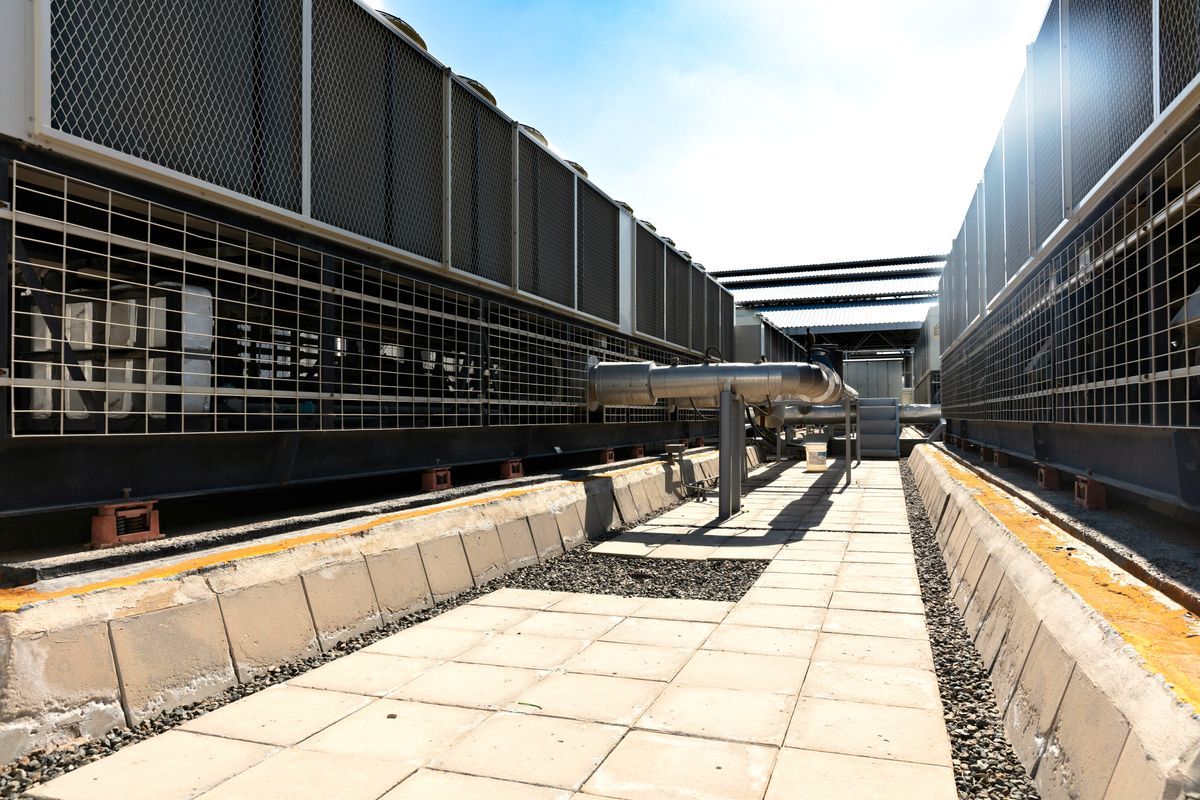
Our refrigeration dehumidifiers are sized for continuous textile-floor duty, not office comfort.
- Refrigeration principle: draws humid air across the evaporator below dew point, condensing moisture into water.
- Capacity: up to 138 kg of water per day; covers 100–150 m² per unit.
- Scalable: four 20 kg/h units dehumidify an 1,800 m² workshop.
- Smart linkage: auto start and stop against setpoint; remote status from any device.
- Built for 24/7 operation in demanding production environments.
Coverage From Raw Fiber to Finished Garment
One system, every climate-critical step of textile and garment production.
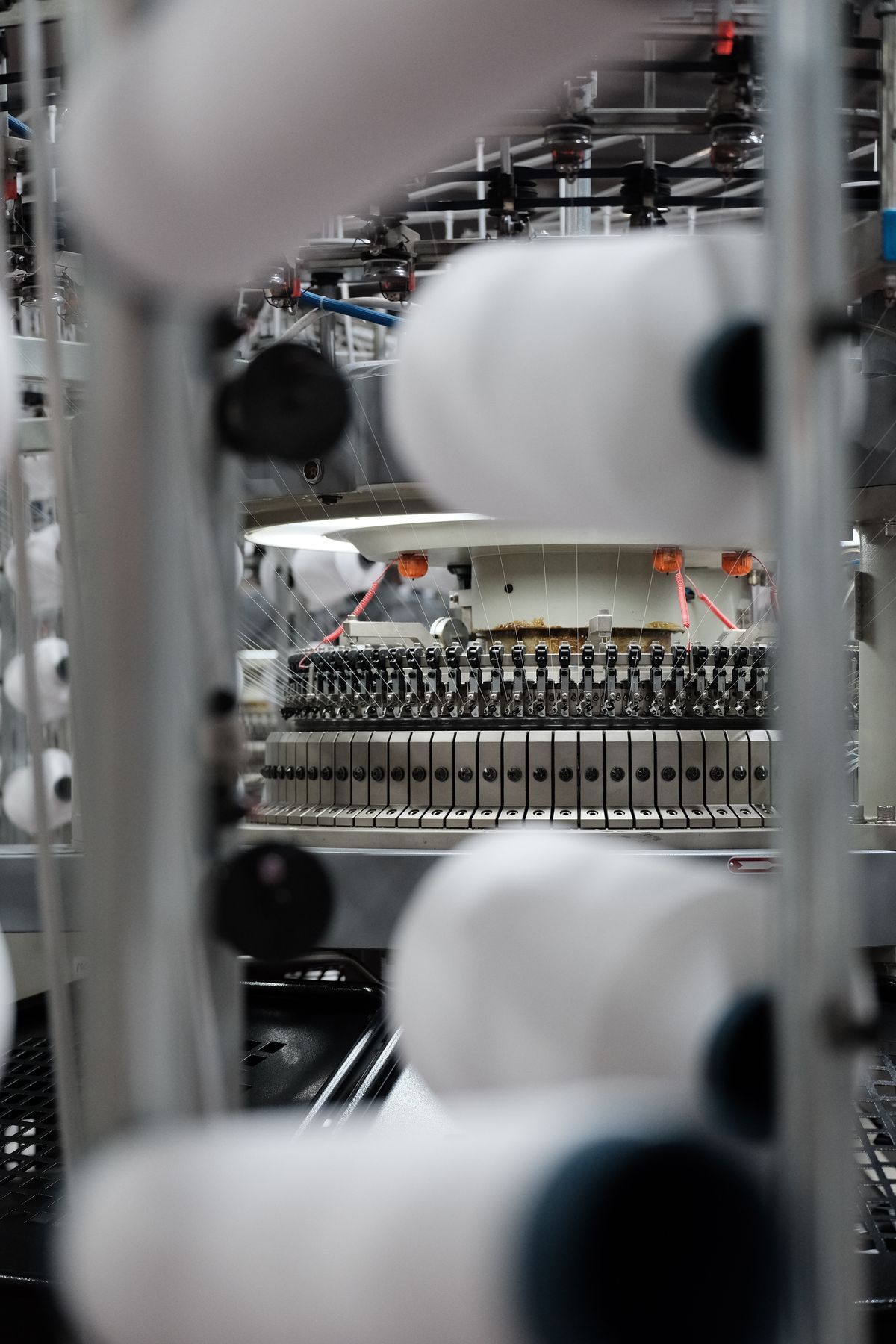
Spinning & Weaving
Maintain 50–76% RH for strong, even yarn and clean cloth.
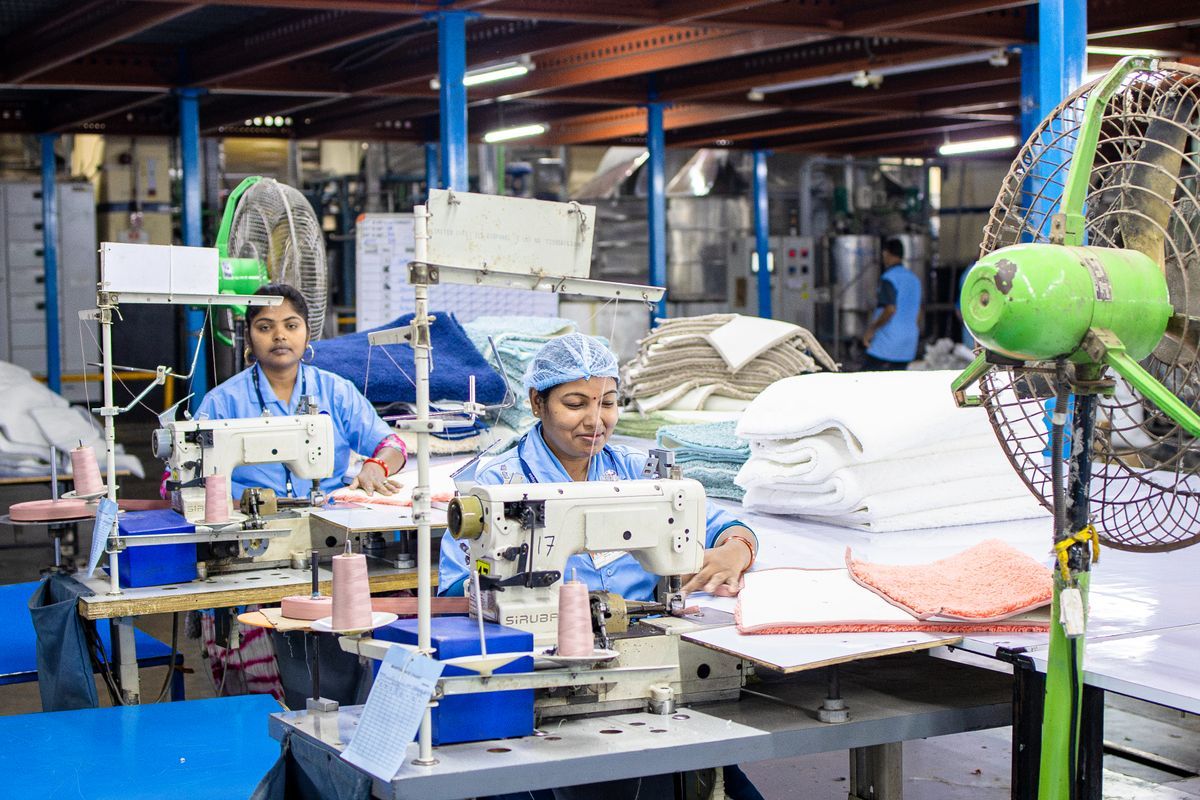
Sewing & Cutting
Stable 45–65% RH lifts sewing efficiency by 15–20%.
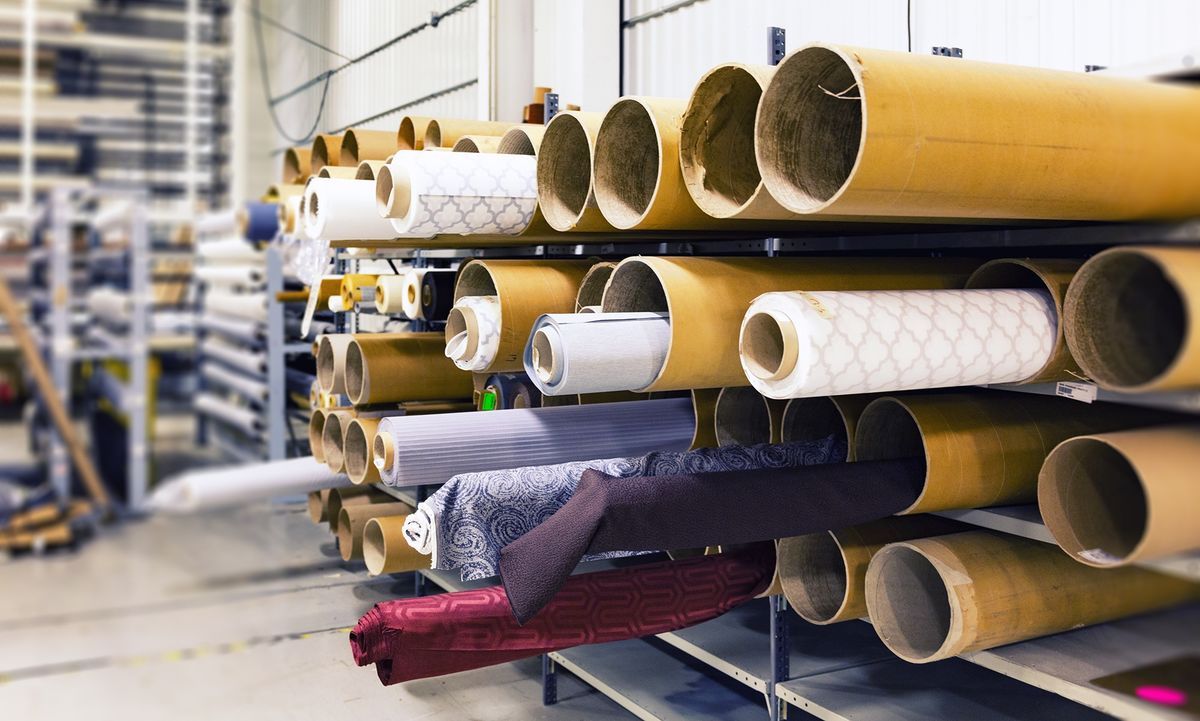
Material & Finishing
Controlled climate prevents shrinkage and distortion.
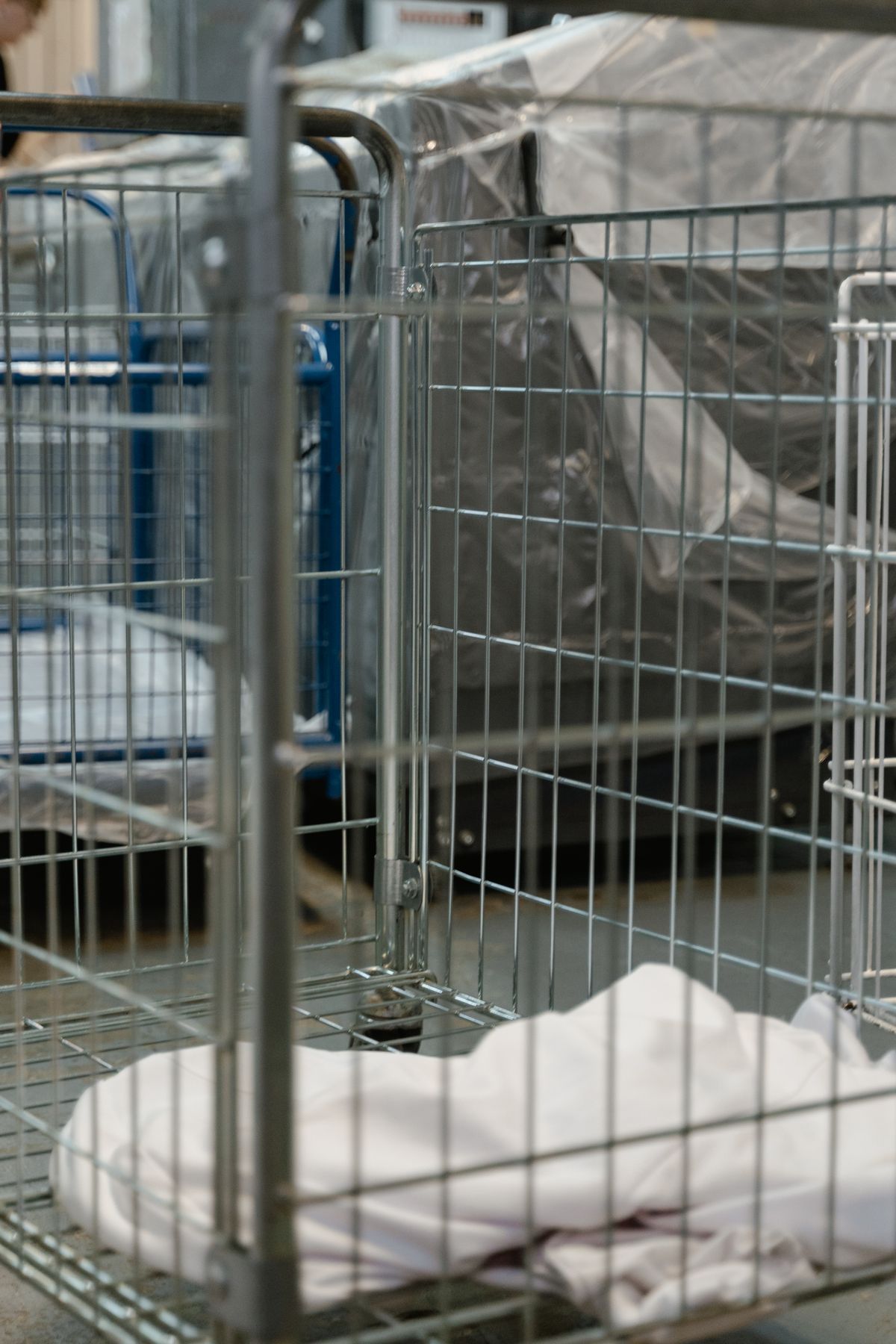
Packaging & Storage
Stay at or below 65% RH to stop mold on finished goods.
Frequently Asked Questions
What is the ideal humidity for a textile factory?
There is no single number—each process differs. Spinning runs at 55–60% RH, weaving at 68–76% RH, sewing and cutting at 45–65% RH, and packaging must stay at or below 65% RH. Zoned control is essential.
Which dehumidifier is best for spinning and weaving workshops?
Large-capacity refrigeration dehumidifiers sized to the zone—up to 138 kg/day per unit for spinning, and enhanced systems holding 68–76% RH for weaving halls. Multiple 20 kg/h units can be linked for large floors.
How do you control humidity during the rainy season or in coastal plants?
Size the system for extreme conditions (for example 26°C / 90% RH down to 55% RH), seal the building, and run smart-sensor dehumidifiers that activate automatically when RH rises—no manual intervention needed.
At what humidity must packaging stop?
When workshop RH exceeds 65%, packaging and bagging must stop immediately and dehumidification started until RH drops below 65%.
How much energy do industrial dehumidifiers use?
Our units use rotary compressors and hydrophilic coils for high moisture-removal efficiency, plus variable dew-point control that avoids over-dehumidifying—cutting the energy typically lost to conventional textile HVAC, which is 20–30% of total.
Do you cover storage and transport, not just production?
Yes. We provide warehouse dehumidification (50–65% RH), conditioning before shipment (at least 55–65% RH), and physical moisture control such as sealing and pallet management.
Standards & Reliability
Humidity testing references ISO 139 and GB 6529 standard atmospheres (20°C ±2°C, 65% RH ±2%).
Equipment and management together form a double guarantee for mold-free production.
Build a Humidity-Controlled Textile Plant
From the first bale to the finished garment, we keep every process within its optimal climate—protecting quality, reducing defects, and lowering energy cost.
Contact our engineers · Send an inquiry · Read related articles