
Precision Humidity Control for High-Value Asset Facilities
Engineered dehumidifiers that protect laboratories, archives, power distribution rooms, data centers and chemical storage from moisture damage, condensation and corrosion.
- Low-noise operation down to 45 dB
- Smart RS485 / Modbus linked control
- Explosion-proof options for hazardous areas
Why Humidity Control Is a Reliability Decision
In high-value facilities, uncontrolled humidity is not a comfort issue but a failure risk. It corrodes instruments, accelerates paper aging, causes electrical condensation and even triggers chemical hazards. Precise, stable dehumidification is the foundation of asset protection.
Five High-Value Facilities We Protect
Each environment has distinct temperature and humidity standards. Our application-specific series are tuned to each one.
 Laboratories
Laboratories
18–26°C / 30–70% RH with ±3% RH precision for balance and instrument rooms.
 Archives
Archives
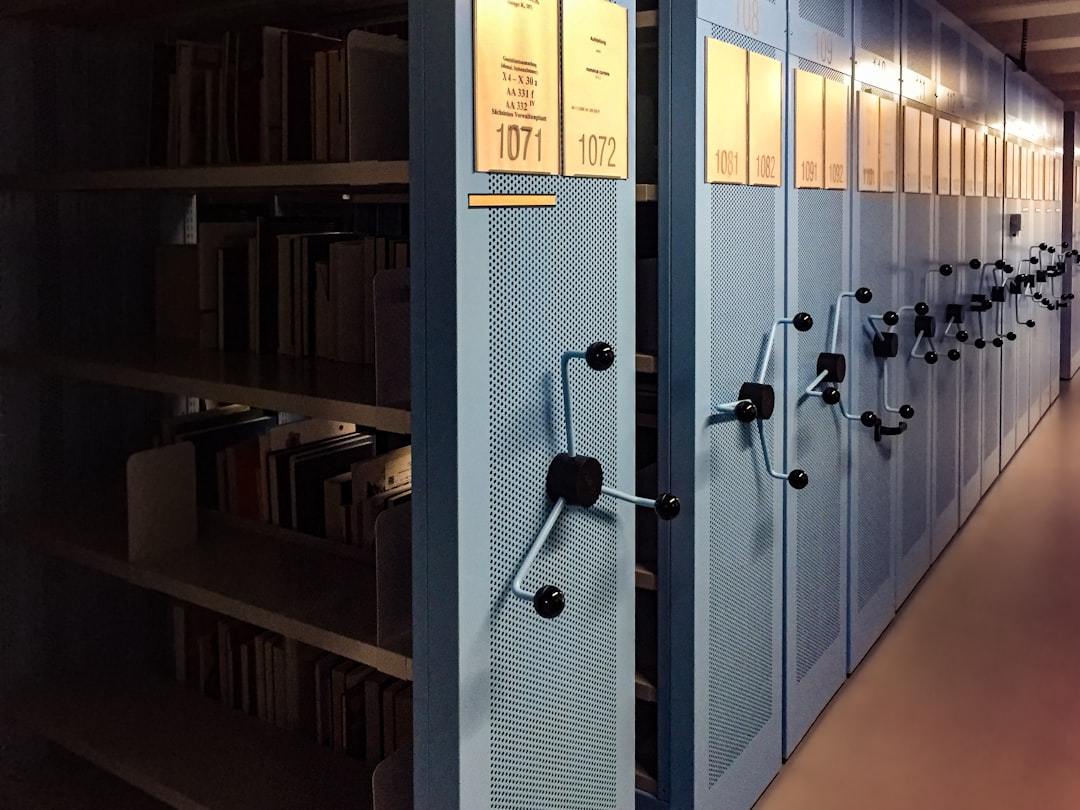
14–24°C / 45–60% RH with daily drift limited to ±5% RH to preserve paper and film.
 Power Rooms
Power Distribution Rooms
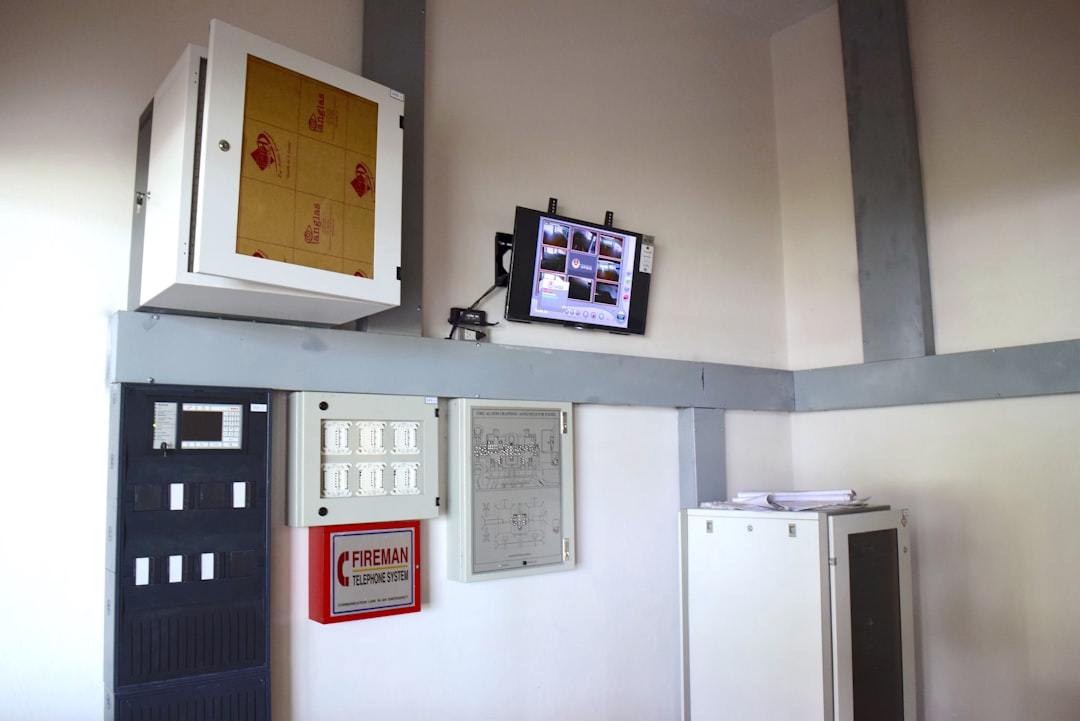
30–60% RH to prevent condensation, insulation loss and corrosion on switchgear.
 Data Centers
Data Centers & Server Rooms
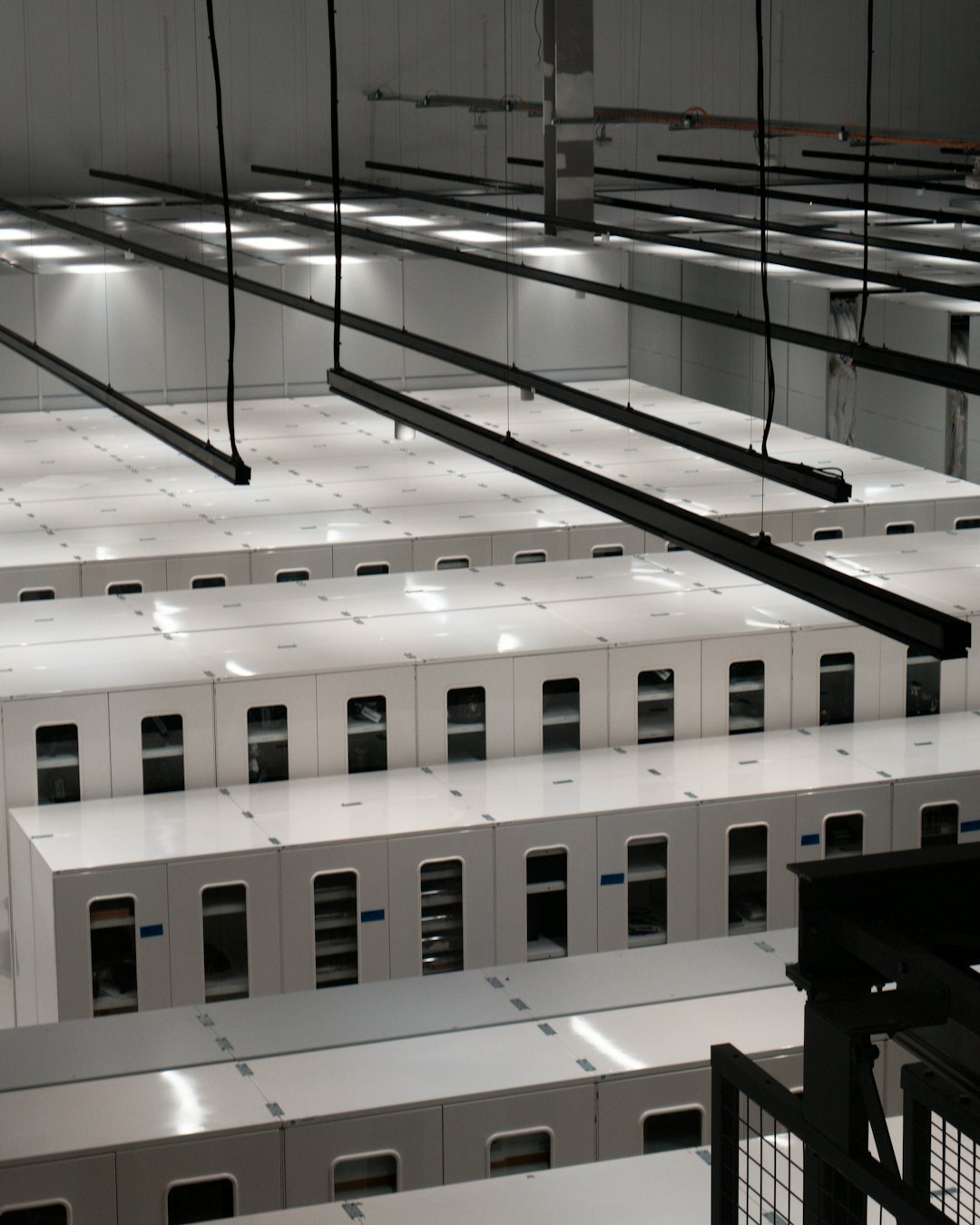
18–22°C / 40–60% RH with 7×24 continuous reliability and no condensation.
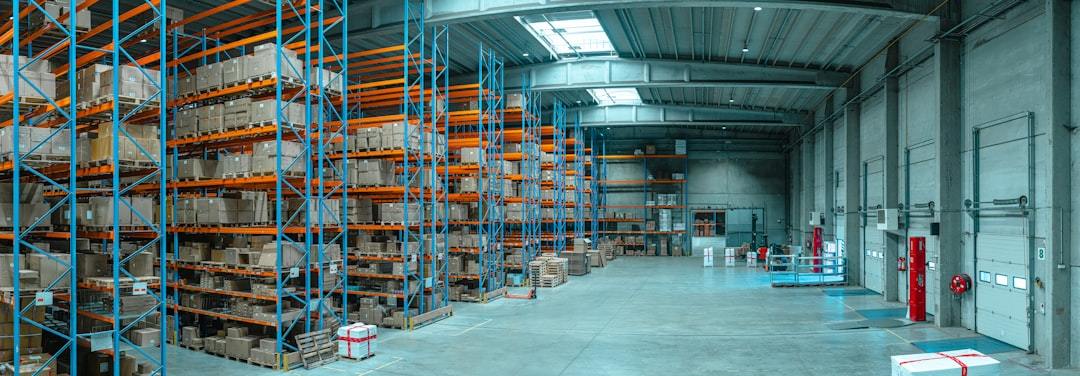 Chemical Storage
Chemical Storage
≤80% RH (down to ≤30% RH for sensitive goods) with explosion-proof compliance.
Temperature & Humidity Standards at a Glance
Reference thresholds for the five high-value environments we cover.
| Facility | Temperature | Relative Humidity | Key Requirement |
|---|---|---|---|
| Laboratory | 18–26°C | 30–70% RH | ±3% RH precision, ≤45 dB noise |
| Archive | 14–24°C | 45–60% RH | Daily drift ≤±5% RH, leak alarm |
| Power Distribution Room | 26–28°C | 30–60% RH | Anti-condensation, auto/remote control |
| Data Center | 18–22°C | 40–60% RH | 7×24 duty, RS485 / Modbus |
| Chemical Storage | ≤25–35°C | ≤80% RH | Exd II CT4/T6 explosion-proof |
Seven Humidity Challenges We Solve
Common pain points across high-value environments and how a purpose-built dehumidifier addresses them.
Strict Standards vs. Fluctuation
Seasons, traffic and heat load cause constant drift. Our units hold tight bands such as ±5% RH daily for archives.
Differentiated Zone Needs
Reagent, balance and instrument rooms demand different setpoints. One flexible, multi-zone system covers them all.
Limited Installation Space
Compact, well-ventilated designs fit tight rooms and underground spaces while keeping service access open.
Noise Interference
Conventional units run at 60–70 dB. Our low-noise engineering drops levels to 45 dB for labs and 55 dB for data centers.
Drainage Safety & Continuity
Gravity drain plus auto lift pump, leak sensors and full-tank auto-stop prevent water damage to archives and servers.
Insufficient Smart Control
Manual switching wastes energy. IoT monitoring, HVAC linkage and remote mobile control keep humidity on target automatically.
Application-Specific Dehumidifier Series
A graded product matrix matched to each facility's operating environment and compliance level.
Laboratory Series
- Low noise ≤45 dB
- High precision ±3% RH
- Multi-mode drainage
Archive Series
- Ultra-stable ≤±5% RH daily
- Leak alarm & sensors
- Remote monitoring
Power Room Series
- Anti-condensation first
- Smart units ≤40 dB
- Auto / remote dual-mode
Data Center Series
- 7×24 high reliability
- RS485 / Modbus link
- Humidity-linked control
Chemical Storage Series
- Exd II CT4/T6 certified
- Stainless steel body
- Compliant installation
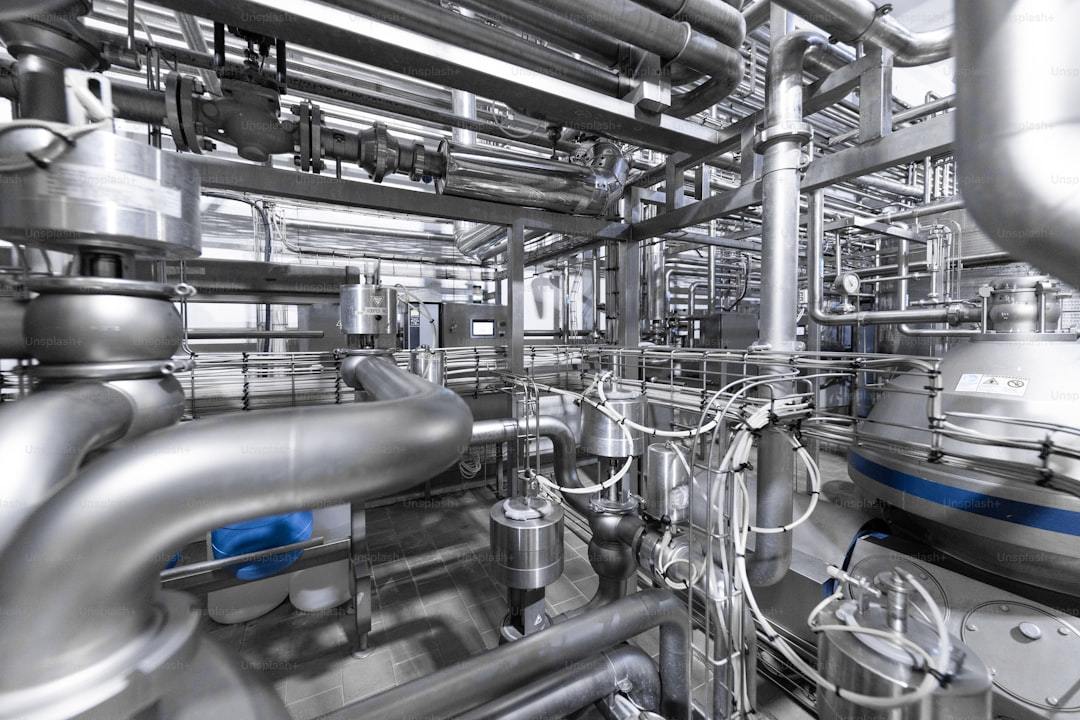
Built for Industrial Duty
Rugged construction engineered for continuous operation in demanding environments.
Six Engineering Capabilities
The technology behind reliable, safe and efficient dehumidification.
Smart Linked Control
Multi-point sensors and HVAC / fresh-air linkage avoid device conflicts and cut energy waste.
Low-Noise Engineering
Centrifugal fans, silent pads and flexible joints target 45 dB labs, 55 dB data centers and 52 dB power rooms.
Multi-Layer Drainage Safety
Gravity + lift pump dual mode, dual leak detection and full-tank auto-stop keep assets dry.
Explosion-Proof Compliance
Certified Exd II CT4/T6 units with IP54 motors for hazardous chemical storage.
One-Stop Installation
Site survey, custom design, professional commissioning and operator training from one team.
Full Lifecycle Management
Real-time status, filter reminders, energy analysis and equipment ledgers keep performance high.
From Survey to Long-Term Service
A structured delivery process ensures each installation fits the site and runs reliably.
Site Survey
Measure space, access, power and drainage.
Custom Design
Match series and layout to the environment.
Installation
Compliant, safe installation by professionals.
Commissioning
Verify setpoints, alarms and control links.
Training
Hand over operation and maintenance know-how.
After-Sales
Remote support, spares and maintenance plans.
Frequently Asked Questions
What humidity level should a laboratory maintain?
Most laboratories operate at 18–26°C and 30–70% relative humidity. Precision rooms such as balance and instrument rooms often need a tighter 45–55% RH band with ±3% RH control, which our laboratory series delivers.
Why do archives need strict humidity control?
Fluctuating humidity accelerates chemical aging of paper, film and tape and encourages mold. Archives should stay at 14–24°C and 45–60% RH with daily drift under ±5% RH to preserve records long term.
How do you prevent condensation in a power distribution room?
Keep relative humidity between 30% and 60% so moisture cannot condense on switchgear. Anti-condensation dehumidifiers with automatic start at 75% RH and remote monitoring are recommended for underground rooms.
What dehumidifier is best for a data center?
A 7×24 continuous-duty unit with RS485 / Modbus communication, humidity-linked auto start (RH > 60%), auto-restart after power return and a 45–65% RH range protects servers from short circuits and corrosion.
Do chemical storage rooms need explosion-proof dehumidifiers?
Yes. Hazardous chemical areas require certified explosion-proof units (typically Exd II CT4/T6 with IP54 or higher motors) and corrosion-resistant stainless steel bodies. Standard units must never be used in hazardous zones.
Get a Dehumidification Plan for Your Facility
Tell us your environment and requirements. Our engineers will recommend the right series, capacity and control setup.