
Precision Humidity & Temperature Control for Indoor Cultivation
From seedling to storage, our automated climate system keeps VPD in the optimal range, suppresses mould, and cuts dehumidification energy 30–50% across the full grow-room lifecycle.
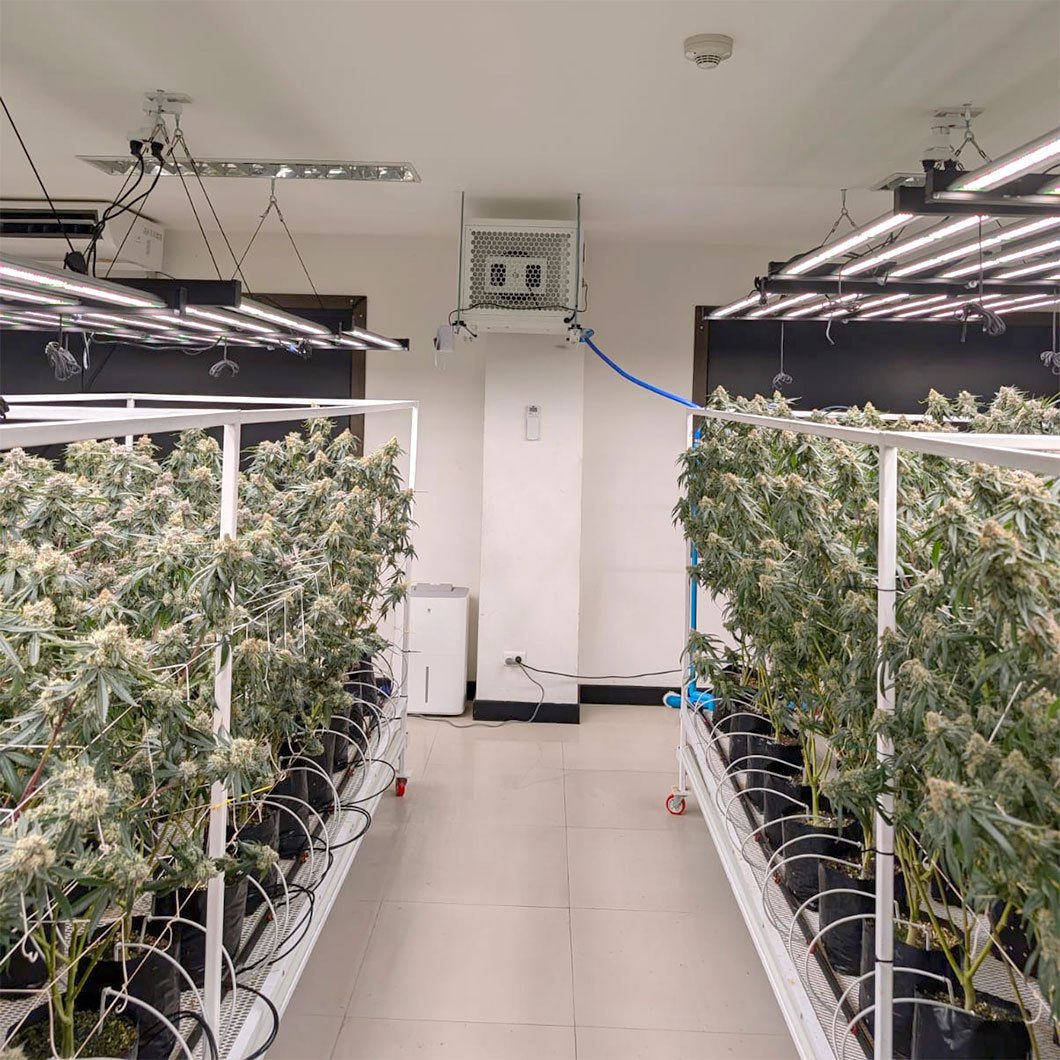
Humidity is the single most energy-hungry and disease-driving variable in indoor cultivation. We control it stage by stage — so you lose fewer plants to Botrytis and powdery mildew, hold VPD in the sweet spot, and spend far less on cooling. One automated system, full lifecycle.
Why Humidity Is the Hardest Problem in Indoor Farming
A sealed grow room traps moisture. Combine that with plant transpiration, stage-specific needs and the temperature–humidity coupling, and you get five recurring failure modes that cost yield, quality and money.
High humidity breeds disease
At night, air hitting the dew point condenses on leaves and buds — fuelling Botrytis (grey mould), powdery mildew and bacteria, with flowers most at risk.
Needs swing stage to stage
Required RH ranges from 60–90% in cloning to just 40–50% in flowering. The system must switch precisely between very different setpoints.
Transpiration spikes humidity
Dense canopies release 4–10 L of water per m² per day. Evapotranspiration can push room humidity up fast, right when you least expect it.
Traditional dehumidification is costly
When latent load exceeds 50% of total load, A/C must over-cool then reheat — the most expensive step in a closed-loop farm.
Temp & humidity are coupled
Raise temperature and RH drops. Without coordinated control, VPD drifts outside 0.8–1.5 kPa and stomata, nutrient uptake and growth suffer.
The result
Uncontrolled humidity = mould outbreaks, stalled growth and runaway energy bills — across seedling, veg, flower and storage alike.
Five Integrated Controls, One Automated System
Each module answers a specific pain point. Together they deliver precise, energy-aware climate control from propagation through cured storage.
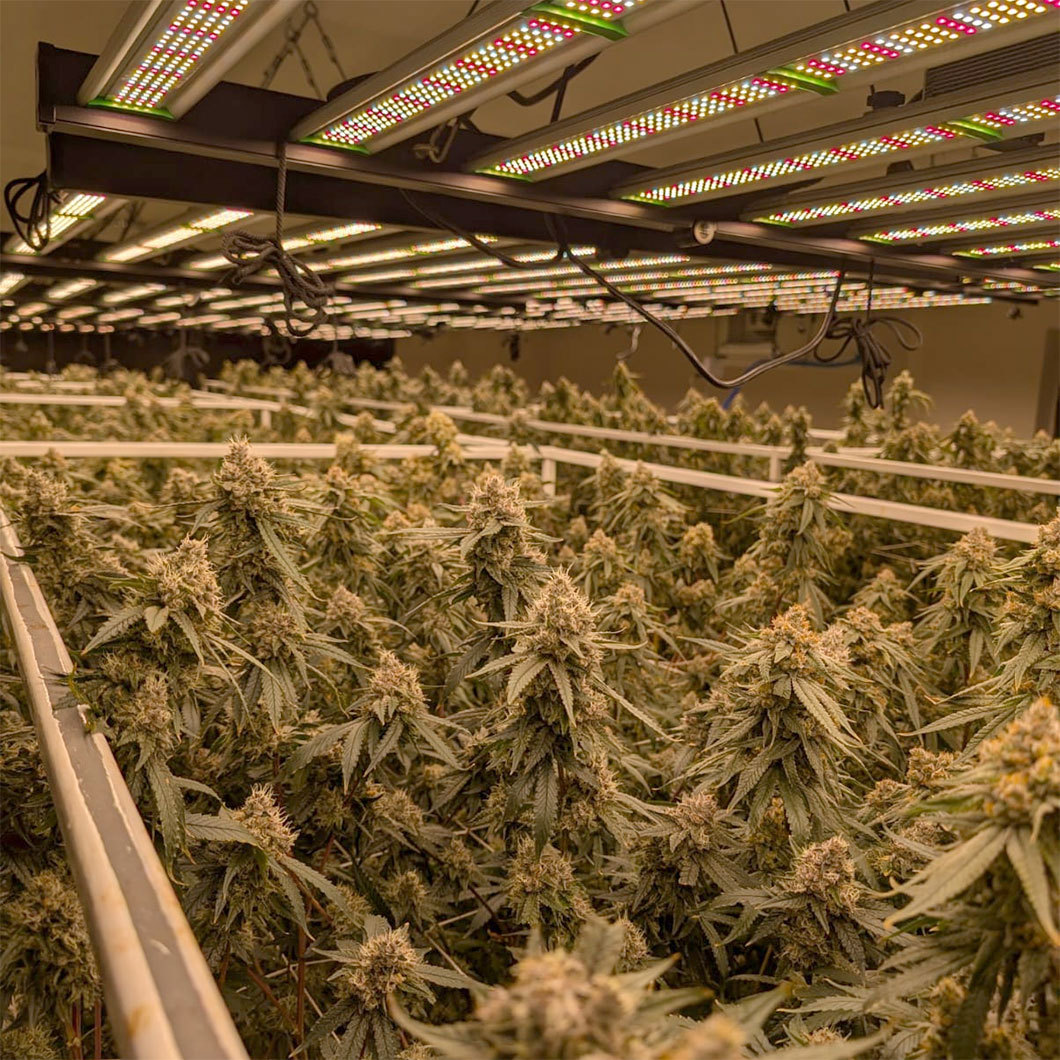
Stage-by-Stage RH Control
A phased setpoint strategy matches humidity to each growth phase, driven by PID closed-loop control that holds actual RH within ≤3% RH of target.
- Propagation: 60–75% — humidify-led, trim excess
- Vegetative: 50–70% — balance as canopy grows
- Flowering: 40–50% — aggressive dehumidification
- Drying: 30–50% — deep drying + high ventilation
Stage RH Control
Phased setpoints hold target humidity within ≤3% RH across every growth phase.
Intelligent VPD Control
Live VPD regulation keeps the 0.8–1.5 kPa sweet spot and guards the dew point.
Energy-Efficient Dehumidification
Condensation + desiccant-wheel combo with smart load switching cuts energy 30–50%.
Transpiration-Load Prediction
A canopy model forecasts moisture load so dehumidification starts before spikes.
IoT Environmental Monitoring
Multi-point sensors map the room, log to the cloud and alert on drift in real time.
Temperature & Humidity Requirements by Stage
The control targets above are grounded in the agronomic windows your crop actually needs — from propagation through cured storage.
Propagation / Cloning
| Parameter | Target range |
|---|---|
| Relative humidity | 60%–90% |
| Temperature (day) | 20–25 °C |
| Temperature (night) | 10–15 °C |
Roots undeveloped — high RH keeps leaves hydrated, prevents wilt.
Vegetative Growth
| Parameter | Target range |
|---|---|
| Relative humidity | 40%–75% |
| Temperature (day) | 23–30 °C |
| Temperature (night) | 15–18 °C |
Roots established — lower RH, raise temperature; typical target ≈60%.
Flowering / Fruiting
| Parameter | Target range |
|---|---|
| Relative humidity | 40%–50% (lower late) |
| Temperature (day) | 20–25 °C |
| Temperature (night) | 15–20 °C |
Strictest window — low RH blocks mould on buds; hardest to hold.
Drying & Curing
| Parameter | Target range |
|---|---|
| Relative humidity | 30%–55% |
| Temperature | Slightly below growth |
High ventilation + low RH removes moisture and chlorophyll, prevents mould.
Storage Requirements
| Storage type | Temperature | Relative humidity | Notes |
|---|---|---|---|
| Seeds | 4–20 °C | 40%–60% | Low temp & RH extend viability; ≤13 °C / ≤55% RH ideal |
| Germplasm (long-term) | 3–6 °C | Dry, sealed | Controlled cold storage |
| Harvested produce | — | Dry & ventilated | Prevent mould & pests; varies by crop |
Cold, dry storage protects both genetic material and finished product.
Relative-Humidity Window Across the Lifecycle
Built for Every Indoor Growing Environment
One platform, adapted to the spaces where humidity control decides yield and quality.
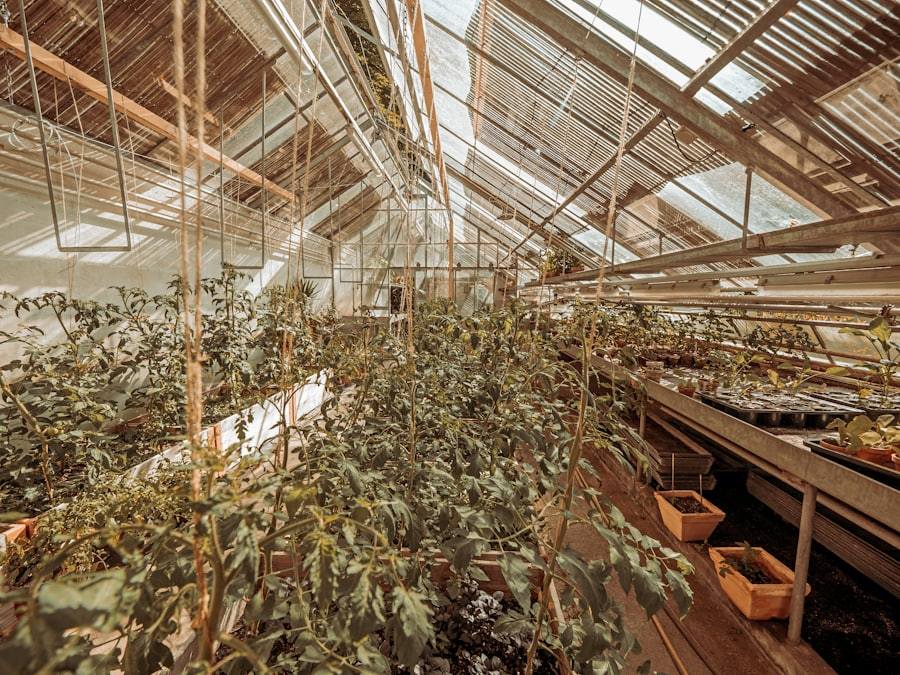 Greenhouses & Poly Houses
Grow Rooms
Greenhouses & Poly Houses
Grow Rooms
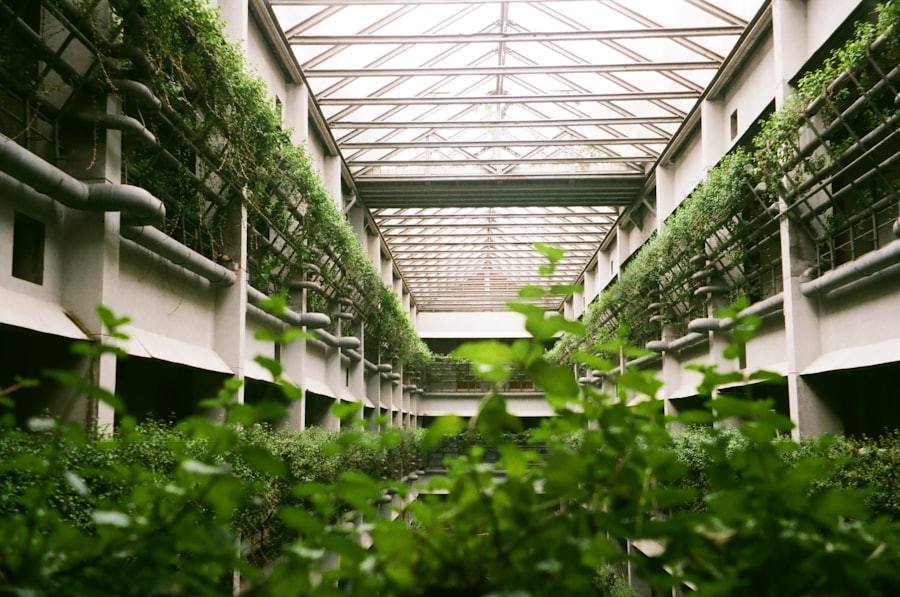 Seed & Flower Drying
What Growers Actually Get
Outcomes from deploying the full stack versus conventional air-conditioning-only humidity control.
Questions Growers Ask Us
Straight answers for specifiers, facility managers and procurement.
What is the optimal humidity for a grow room?
It depends on stage. Aim for 60–90% in propagation, 40–75% in vegetative growth, 40–50% in flowering, and 30–55% during drying and curing. Holding the right range per stage is what prevents mould and supports healthy transpiration.
What is VPD and why does it matter?
VPD (Vapour Pressure Deficit) measures how hard plants pull water from leaves. Too low and disease thrives; too high and plants stress. We hold 0.8–1.2 kPa in vegetative and 1.0–1.5 kPa in flowering, automatically guarding against dew-point condensation.
How much energy can I save on dehumidification?
Versus air-conditioning-only control, the combined condensation + desiccant-wheel strategy with smart load switching typically cuts dehumidification energy by 30–50%, because we stop over-cooling and re-heating when latent load is high.
Can it integrate with my existing HVAC?
Yes. The IoT layer links to your current HVAC and dehumidification hardware, coordinates temperature and humidity actuation, and pushes alerts for RH over-limit or device faults to your phone or dashboard.
Does it cover storage as well as growing?
Yes. The same platform manages seed storage at 4–20 °C / 40–60% RH, long-term germplasm at 3–6 °C, and dried produce storage — keeping everything dry, ventilated and mould-free across the full lifecycle.
Design Your Climate, Not Your Disasters
Tell us your crop, room size and current HVAC. We will map a stage-by-stage humidity plan with projected energy savings — free of charge.