
Food & Beverage Temperature & Humidity Control Solutions
From bakery and chocolate to freeze-dried fruit, nuts and ready-meals, every food process has a precise humidity window. East Dehumidifier delivers full-chain temperature and humidity control — across processing, cold storage, cleanroom packaging and cold-chain logistics — keeping your plant inside the safe 45–65% RH band and protecting product safety and shelf life.
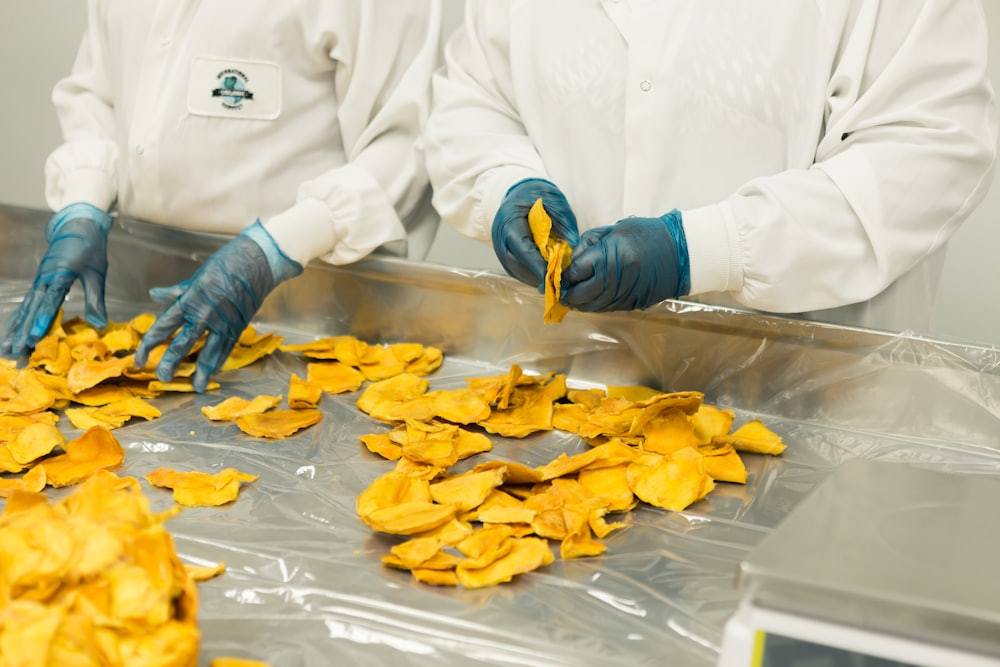
Why precise humidity control is the bottom line of food safety
Direct answer: most food processes should stay within 45–65% RH; cleanrooms are kept at 30–60% RH. Above 60% RH at 20°C, mould and bacteria multiply rapidly — the root cause of most humidity-driven recalls.
45–65% RH safe zone
The general humidity window for food production; cleanrooms tighten to 30–60% RH to limit microbial risk.
Standards aligned
Supports GB 2760 preservative limits, GB 31605 cold-chain hygiene, and GB/T 23822 candy & chocolate control.
≤40% RH for freeze-dried
Freeze-dried fruit holds ≤3% moisture and re-absorbs fast, so discharge and packing need ultra-low humidity.
Fewer recalls, less waste
Proactive humidity control replaces reactive recalls — protecting brand trust and margin.
Temperature & humidity requirements by food category
Six typical processes, each with its own critical window. Get the right zone right and quality stays stable from line to shelf.
- Baking — proofing needs 60–80% RH; cooling and inner packing must stay ≤50% RH to stop softening.
- Fried food — hot zones run ≤60% RH with strong exhaust; packing at 50–60% RH.
- Chocolate & candy — packing held at 45–50% RH; storage at 10–15°C to avoid bloom.
- Freeze-dried fruit — discharge <40% RH, packing ≤45% RH, cleanroom 20–40% RH.
- Nuts & roasted — workshop ≤55% RH, storage ≤60% RH at a constant 21°C.
- Meat products — curing and inner packing ≤15°C; post-heat packing at 15–18% RH.

| Food category | Critical process | Temperature | Humidity |
|---|---|---|---|
| Baking (bread, pastry, biscuit) | Proofing / cooling & inner packing | Proofing 30–45°C; cooling 23–26°C | Proofing 60–80% RH; cooling ≤50% RH |
| Fried food (chips, fried chicken) | Frying / packing | Hot zone 26–30°C; packing 20–25°C | Hot zone ≤60% RH; packing 50–60% RH |
| Chocolate & candy | Conching / packing / storage | 24–27°C (hard candy); storage 10–15°C | Packing 45–50% RH; storage ≤50% RH |
| Freeze-dried fruit | Vacuum drying / discharge & packing | Discharge 20–25°C | Discharge <40% RH; packing ≤45% RH |
| Nuts & roasted | Roasting / cooling / storage | 21°C constant | ≤55% RH processing; ≤60% RH storage |
| Meat products (ready-meal, ham) | Curing / post-heat packing | ≤15°C inner pack; 6–8°C post-heat | 15–18% RH post-heat; ≤70% RH inner pack |
Five humidity pain points in food plants
The same failure modes repeat across bakeries, chocolate lines and cold chains. Control humidity and you remove most of them at the source.
High humidity breeds microbes
Summer RH spikes past 90%; above 60% RH at 20°C, mould and bacteria accelerate — the leading cause of food-safety incidents.
Moisture ruins product quality
Baking softens and returns to stale, chocolate blooms, nuts turn rancid, and freeze-dried fruit re-absorbs and is scrapped.
Cold-room frost & energy waste
Frequent door opening lets humid air condense, causing corrosion and constant defrost cycles that raise energy cost.
Plum-rain & climate swings
Daily temperature swings over 15°C destabilise the production environment and invite microbial and mould risk.
Disconnected, inconsistent standards
Storage, processing, packing and logistics each have different targets, yet most plants lack one linked monitoring system.
Integrated humidity-control solutions
One supplier, full chain — from the production floor to the cloud dashboard. Each module slots into your existing HVAC and hygiene setup.

Precision control in production
Industrial dehumidifiers linked with AC hold proofing at 60–80% RH and cooling & inner packing at ≤50% RH, with stable 40–60% RH workshop air.
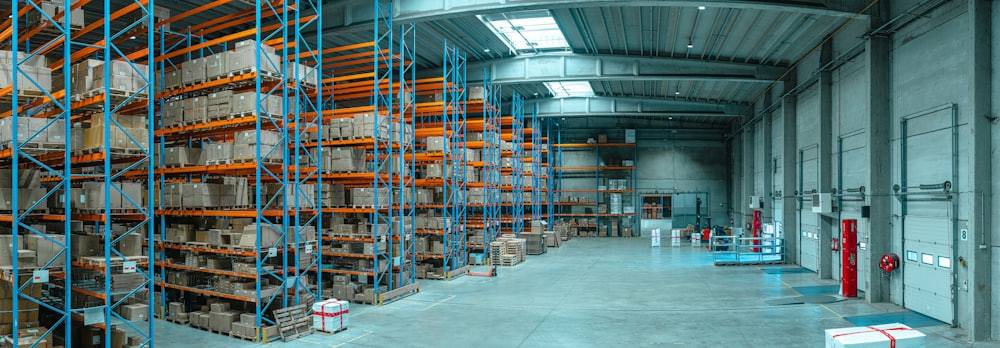
Cold-storage & freezer dehumidification
Low-temperature rotary desiccant dehumidifiers at the cold-room door stop condensation and corrosion and cut defrost frequency and energy use.
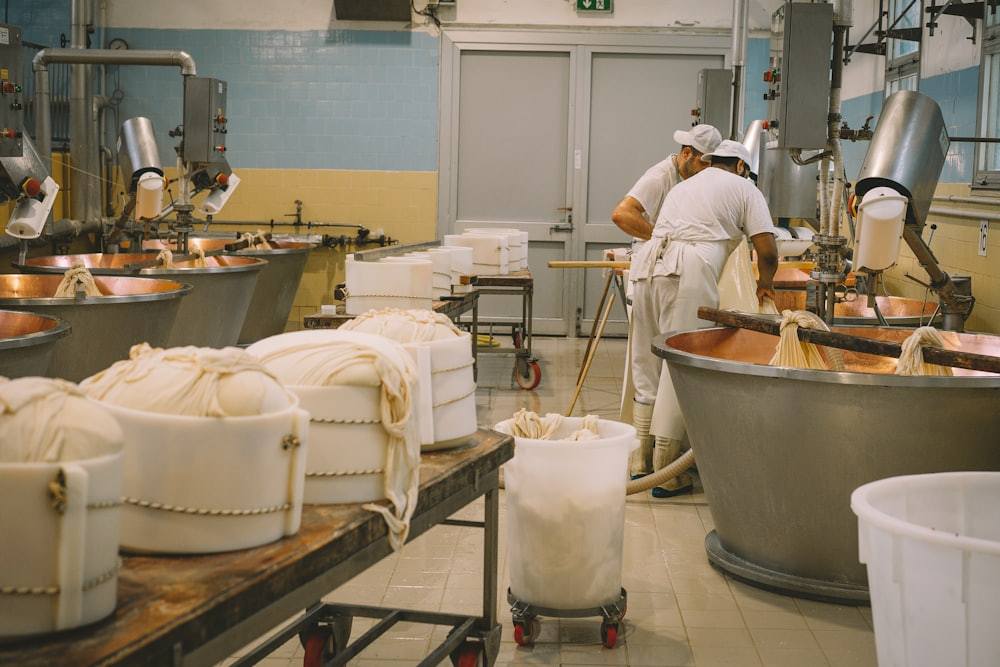
Cleanroom packaging control
Packaging held at 45–50% RH for chocolate, ≤45% RH for freeze-dried fruit, with 1–2 Pa positive pressure to block outside moisture.
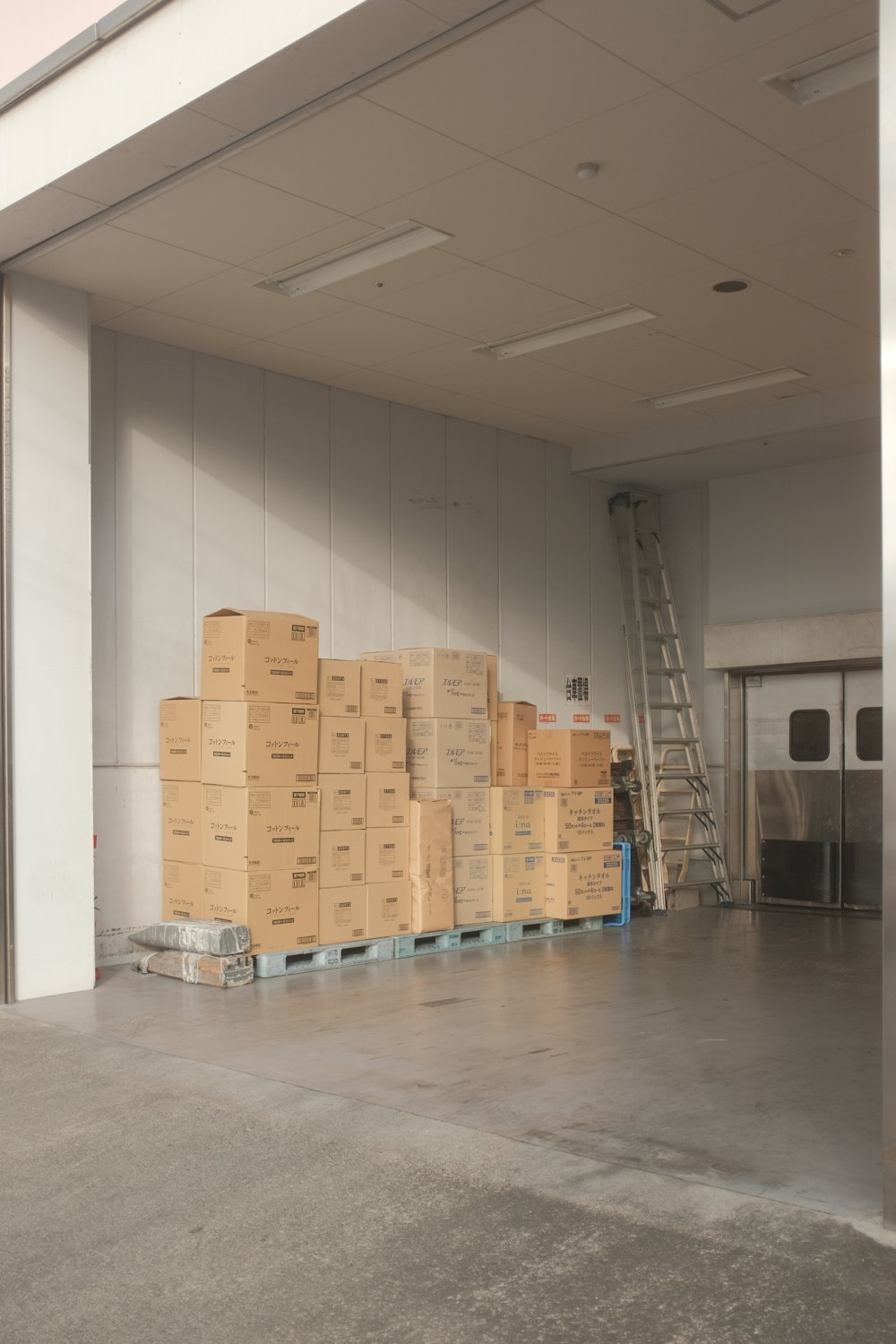
Storage & cold-chain monitoring
Full-link logging from raw material to finished goods; cold rooms held within ±1°C and freeze stores within ±1.5°C per GB 31605.
Smart IoT humidity management
Sensors stream RH and temperature to the cloud, trigger auto alarms and link dehumidifiers or AC for automatic correction.

Compliance & standards support
Design and logs aligned to GB 2760, GB 31605 and GB/T 23822, with trend reports ready for audits and customer reviews.
Tailored solution by food category
Match your product to the control plan that fixes the real failure mode — not a generic setting.
| Food category | Core challenge | Recommended solution |
|---|---|---|
| Baking | Moisture softening, mould | Workshop ≤55% RH, inner pack ≤50% RH; dehumidifier + AC linkage |
| Fried food | Steam, oil mist, condensation | Strong exhaust + dehumidification in hot zone; humidity control in cooling |
| Chocolate & candy | Blooming, fat separation | Processing & packing 45–50% RH; storage 10–15°C |
| Freeze-dried fruit | Re-absorption, quality loss | Discharge <40% RH; nitrogen flush packing; storage <70% RH |
| Nuts & roasted | Rancidity, mould | Workshop ≤55% RH; storage ≤60% RH; 21°C constant |
| Meat products | Spoilage, cold-chain break | Curing / packing ≤15°C; cold chain 0–10°C or ≤-18°C |
Frequently asked questions
Quick answers for plant managers and buyers evaluating humidity control.
Build your full-chain humidity control plan
Tell us your product, process and target RH. We return a tailored dehumidification and monitoring plan — from one workshop to the whole cold chain.