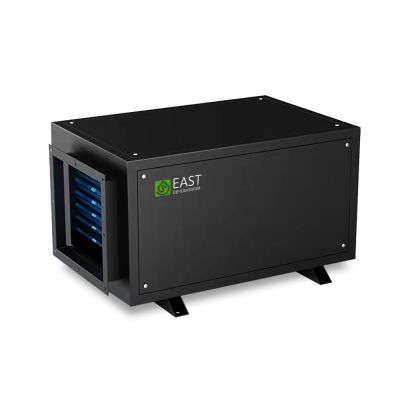
Custom Industrial Dehumidifiers Manufacturer - Delivered in 15 days.

What is a single unit desiccant dehumidifier?
A single unit desiccant dehumidifier is a self-contained rotor machine: process fan, wheel, reactivation heater and controls in one cabinet needing only power and two duct connections. Typical industrial single units handle 300–3,000 m³/h of process air, remove 2–19 kg/h at 20 °C and 60% RH, and run from −10 °C to +50 °C. Use one up to roughly 3,000 m³/h; above that, or below −40 °C dew point, choose a modular rotor plant.
How the four parts work together
Process air
Room or make-up air is drawn through a filter and across roughly three quarters of the wheel face. Silica gel or a molecular sieve adsorbs the water vapour; the air leaves 8–15 °C warmer because adsorption releases heat.
Reactivation air
A second, much smaller stream — usually 25–40% of the process flow — is heated to about 100–140 °C and pushed through the remaining sector, driving the stored moisture back out.
Rotation
The wheel turns at roughly 8–20 revolutions per hour, so every part of the rotor alternates between adsorbing and being dried. That is what makes the output continuous rather than cyclical.
Control
Capacity is modulated by trimming reactivation heat or bypassing process air. Reactivation exhaust temperature is a useful proxy for how saturated the wheel is and how much duty is left.
Where a single unit fits — and where it does not
Because the whole machine ships as one cabinet, a single unit is the fastest way to get low humidity into an existing building. It suits pharmaceutical packing rooms, small dry stores, laboratories, lithium pilot lines, food drying cabinets and cleanroom airlocks — anywhere the process air volume stays within one casing and the duct runs are short.
The integration is also what limits it. Duct connections on the largest single units are around 400 mm, process fan pressure is typically 150–400 Pa, and the cabinet itself weighs 45–280 kg. Push past that and you are fighting pressure drop rather than humidity.
The limits worth knowing
A rotor does not create cold, and it is not cheap per kilogram of water. Published industry ranges put desiccant systems at roughly 1.0–3.0 kWh per kilogram of moisture removed, dominated by the reactivation heater, against 0.5–1.5 kWh for a condensing machine. A single unit is therefore the right answer when the target humidity or the temperature is out of a condensing unit's reach — not because it is cheaper to run. The reactivation exhaust must also be ducted outside; discharging it into the same room simply moves the water back.
Representative project configuration
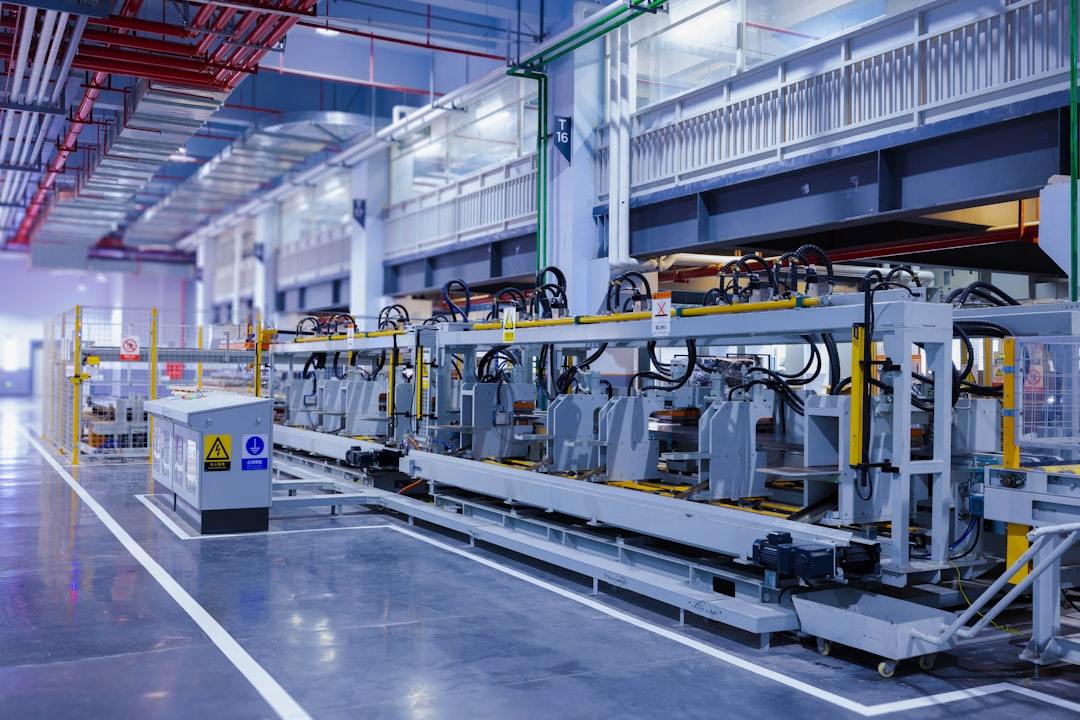
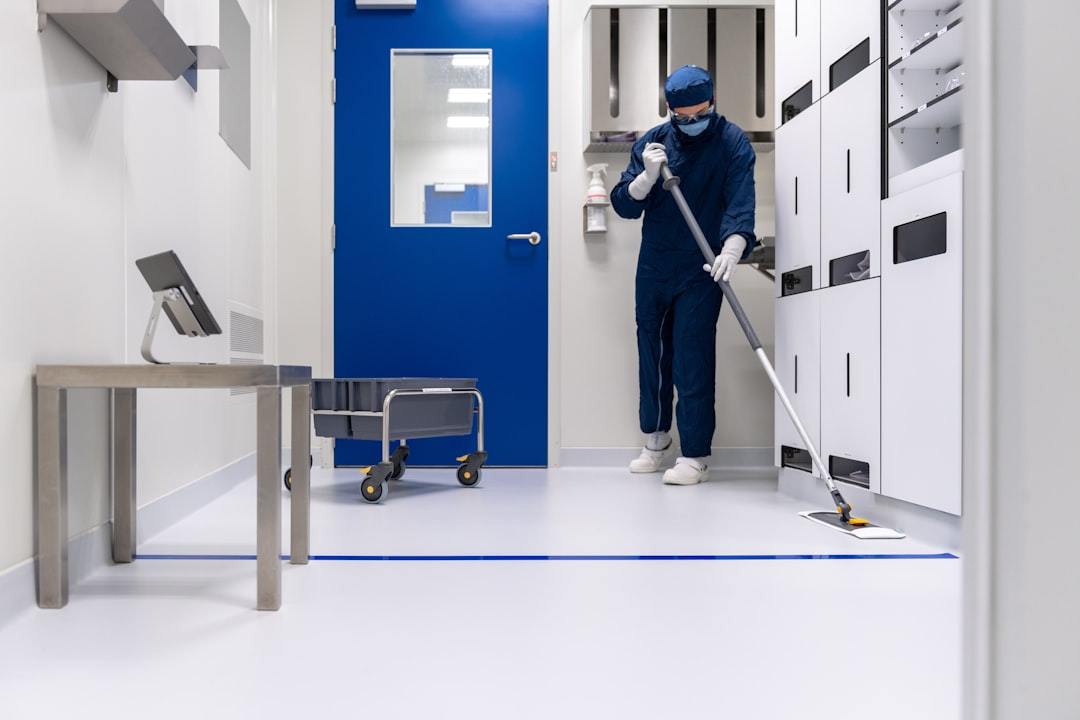
A blister packing room was holding 62% RH in summer and the product specification called for 35% RH at 22 °C. Floor space was tight and there was no plant room, so a split rotor system was ruled out.
Reactivation air was taken from outside and exhausted through the roof, process air recirculated from the room, and the humidistat set with a 3% dead-band to stop the heater cycling. East Dehumidifier specifies the envelope leakage that a guarantee assumes, because a loading door left open will defeat any rotor. Figures are configuration-based and vary with structure and ductwork.
Typical single unit specification bands
| Size band | Process air (m³/h) | Reactivation air (m³/h) | Capacity at 20 °C / 60% (kg/h) | Rated power (kW) | Net weight (kg) |
|---|---|---|---|---|---|
| Small | 320 | 110 | 2.0 | 2.0 | 45 |
| Medium | 700 | 220 | 4.0 | 7.0 | 100 |
| Large | 1,550 | 580 | 10.0 | 15.0 | 180 |
| Top of range | 3,000 | 1,100 | 19.0 | 27.0 | 280 |
Selection shortcut: take the process air volume you actually need, check the reactivation exhaust route before you buy anything, and be honest about the lowest dew point you will ever require. East Dehumidifier builds single units and modular rotor plant, so the honest answer is whichever the duct run and the dew point allow.
Related questions
Sizing a single unit?
Send room volume, target RH or dew point, supply air condition and available exhaust route. East Dehumidifier will return a duty calculation and the model band that fits it.