Custom Industrial Dehumidifiers Manufacturer - Delivered in 15 days.

Single unit vs hybrid desiccant dehumidifier: what is the difference?
A single unit dries air with a desiccant rotor alone. A hybrid puts a refrigeration stage in front of it: the coil condenses out 50–60% of the water cheaply and the rotor polishes the remainder to low dew point. It costs 15–25% more to buy, cuts running energy 20–30% at high moisture loads, and pays back in 18–30 months. On dry inlet air the single unit wins.
What actually changes inside the machine
One stage or two
A single unit has one moisture-removal mechanism, the wheel, so the heater has to supply all the energy needed to drive off the whole load. A hybrid splits the duty between a compressor and the rotor.
Where the water goes
In the hybrid, most of the water leaves as liquid condensate at the evaporator and goes to a drain; only the residual is carried on the reactivation exhaust. Less water through the wheel means less heater energy.
Sensible heat
Humid make-up air carries a lot of sensible heat. The coil removes it before the rotor sees the air, so the rotor is not also fighting a temperature rise that would reduce its adsorption capacity.
Control range
Both modulate, but the hybrid has two independent actuators — compressor capacity and reactivation heat — which gives a wider turndown and steadier dew point when the load swings through the day.
Reading the two against each other
Think of the decision as a question about inlet humidity ratio. If the air arriving at the unit already carries a lot of water — summer make-up air, a wet process, a drying line with high exhaust — a refrigeration stage removes that water for roughly a third of the energy a heater would need. The rotor is then only doing the last, hardest part of the job, which is exactly where sorption beats cooling.
If the inlet air is already dry, or the airflow is small, the coil has little to do. You have then paid for a compressor, a second fan, a condensate drain and extra controls that will never earn their keep. In those duties the simpler machine has fewer failure points and a lower service bill.
The limits worth knowing
Neither configuration escapes the physics of the wheel. Reactivation heat still dominates the energy bill, and both types are more expensive per kilogram of water than a condensing dehumidifier working in its comfort zone of roughly 45–50% RH and above. The hybrid closes part of that gap but does not reverse it. It also adds refrigerant, a condensate drain and a second control loop to maintain, and it is not sterile — a condensing coil is a wet surface and needs the same hygiene attention as any other.
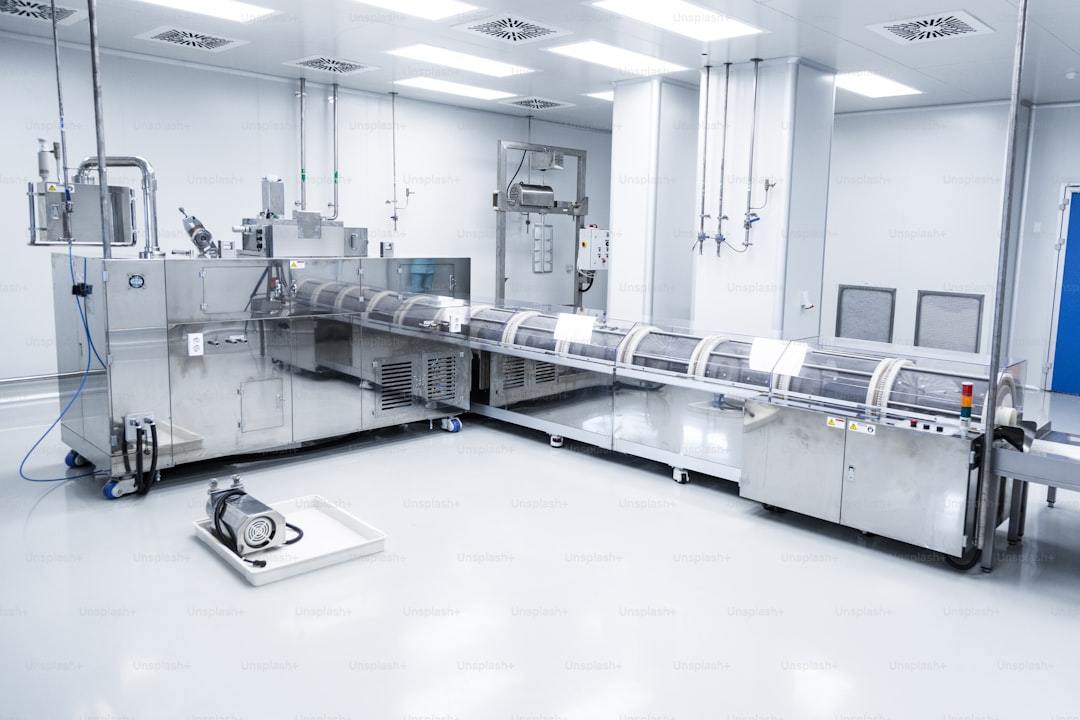

Representative project configuration
An electrode dry room needed −40 °C dew point on full fresh air, with summer design at 30 °C and 70% RH. Two configurations were priced against the same duty.
The coil takes the air from about 19 g/kg down to roughly 7.6 g/kg at 10 °C, which is 60% of the load, and the wheel handles the remaining 7.5 g/kg. East Dehumidifier models this on the actual design day rather than the annual mean, because a hybrid sized on average conditions disappoints in July. All figures are configuration-based.
Single unit versus hybrid, in numbers

| Criterion | Single unit | Hybrid unit |
|---|---|---|
| Moisture removal stages | Rotor only | Cooling coil + rotor |
| Share of load on the rotor | 100% | 40–50% |
| Energy per kg removed | Commonly 1.0–3.0 kWh | Typically 20–30% lower |
| Capital cost | Baseline | 15–25% higher |
| Services required | Power + reactivation exhaust | Power, exhaust, condensate drain |
| Maintenance points | Filters, seals, heater, drive | All of those plus refrigeration |
| Best fit | Dry inlet, small flow, tight budget | Humid inlet, low dew point, long hours |
Selection shortcut: price both against your worst-case design day and your real running hours. If the plant runs fewer than about 2,000 hours a year, the single unit usually wins on total cost regardless of the energy figure.
Related questions
Single unit or hybrid?
Send inlet design condition, air flow, target dew point and annual running hours. East Dehumidifier will price both and show the payback arithmetic behind the recommendation.