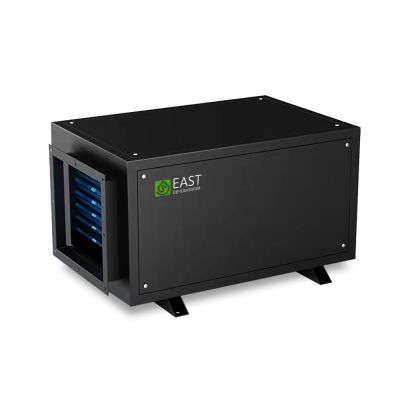
Custom Industrial Dehumidifiers Manufacturer - Delivered in 15 days.

How do you install and drain a floor standing industrial dehumidifier?
Six steps: position the unit level with clear airflow and a drain route; let it stand upright 2–24 hours if it was tilted in transit; fit a 16 mm hose with a continuous 1–2% fall to a trapped gully; connect a dedicated earthed circuit; set the humidistat and timer; then run 24 hours and check the discharge. Allow 0.35–0.7 m² of floor per unit.
Installation sequence
Position and level
Pick a central spot inside a closed space, leave 300–600 mm clear at the intake and discharge, and keep at least 600 mm from a wall so dry air does not loop straight back into the intake. Level the casing: a unit standing off-level overflows its own drip tray.
Settle the compressor
Shipping can leave oil out of the compressor sump. Stand the machine upright for 2–24 hours before first power, depending on how far it was tilted. Skipping this is a common cause of a short compressor life.
Connect the drain
Fit the supplied hose, or any hose of the correct bore, to the drain outlet. Route it with an unbroken downward slope — no loops, no curls, no dips — and end it over a trapped gully or floor drain lower than the outlet.
Power and commission
Plug into a dedicated earthed circuit sized to the nameplate; larger machines often need 16 A or three-phase supply. Set the target RH, run for 24 hours, then confirm the discharge rate matches the load and the tray stays empty.
Drainage: gravity first, pump second
Gravity is the default because it has no moving parts. Run the hose straight and short, keep the continuous fall, support it so it cannot sag into a water trap, and give the discharge an air break above the gully rather than a sealed connection into the waste line.
Where the drain is above the unit or more than roughly 8 m away, add a condensate pump. Typical industrial pump packages lift around 4.5–6 m vertically and push considerably further horizontally, and should always be fitted with a float or overflow switch wired to stop the machine — an unalarmed pump failure is a flood, not a fault code.
The limits worth knowing
Pump systems add a service item: peristaltic pump tubes are wearable and are inspected on a running-hours cycle, often around 500 hours. Drain lines also grow biofilm, so quarterly flushing is not optional in food or dusty environments. And never share a drain line with a sanitary waste pipe without a trap: sewer gas and backflow will find their way back into the room.
Representative project configuration
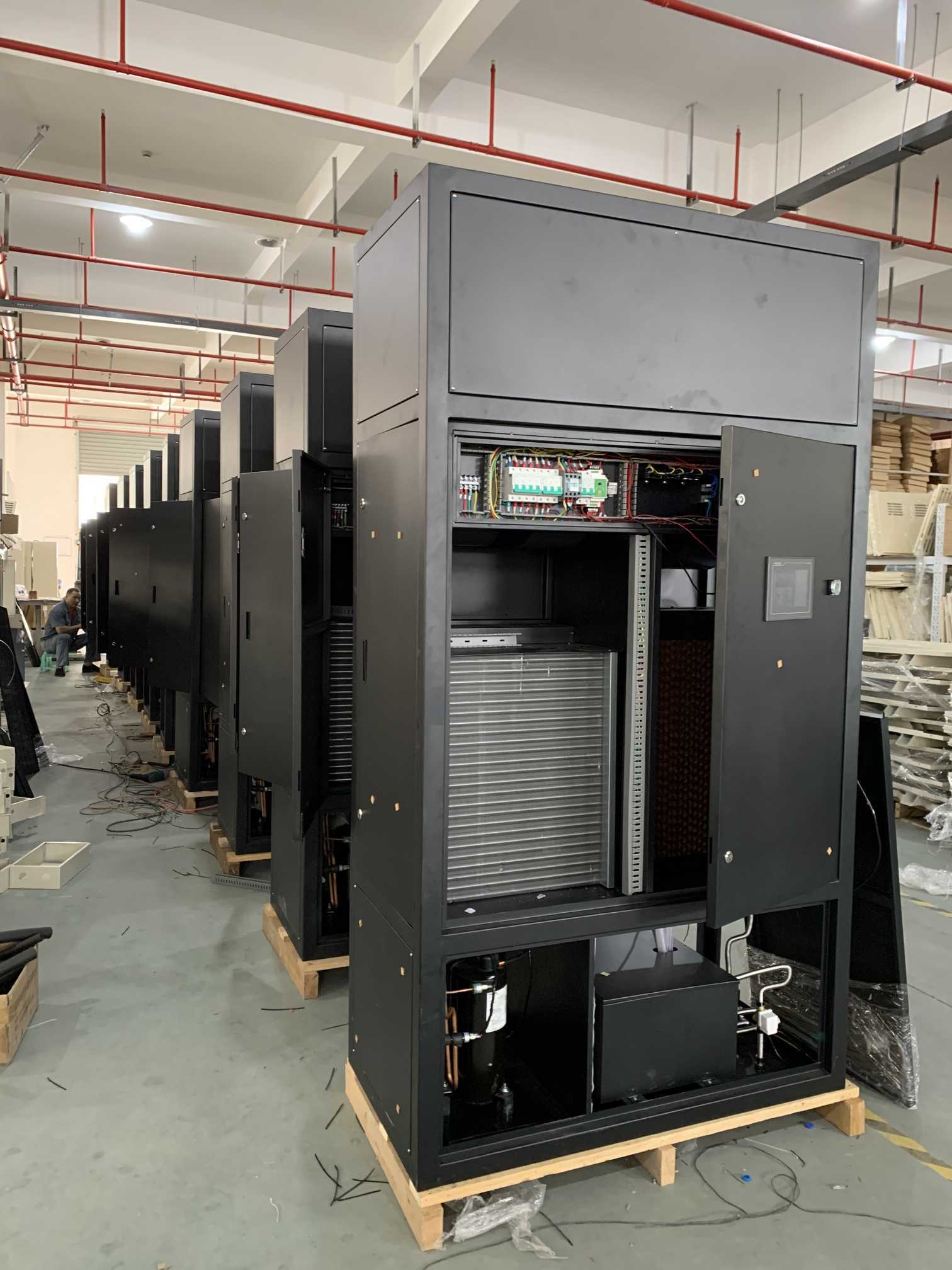
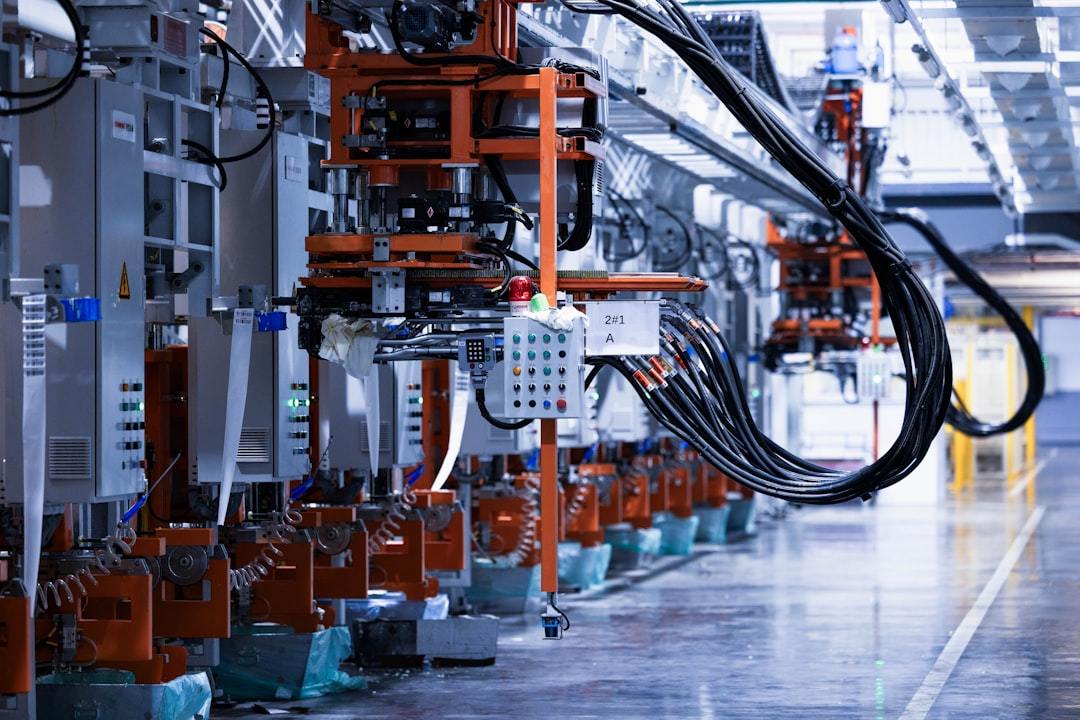
A component store holding 70% RH needed 45% ±3% year round to protect moisture-sensitive reels. A floor gully sat 6 m from the only practical machine position, on the far side of a rack run.
The hose route was re-levelled once after commissioning, because the first run dipped between two supports and held water. With continuous drainage in place the units run unattended between weekly filter checks. East Dehumidifier ships the hose, the outlet adaptor and a levelling check as part of the commissioning list.
Installation checklist with numbers
| Item | Typical value | Why it matters |
|---|---|---|
| Airflow clearance, front and sides | 300–600 mm | Restricted intake derates capacity and can trigger icing |
| Distance from a wall | ≥600 mm where possible | Stops dry air short-circuiting back into the intake |
| Condensate hose bore | 16 mm (5/8 in fittings also common) | Matches standard drain outlets and pump inlets |
| Continuous fall | ≥1%, aim for 1–2% | A flat section traps water and blocks flow |
| Gravity run length | Keep under about 8 m, few bends | Beyond this a pump is more reliable |
| Condensate pump lift | about 4.5–6 m typical | Reaches a drain above the machine |
| Settling time after tilting | 2–24 h upright | Returns oil to the compressor sump |
| Power supply | Dedicated earthed circuit, often 16 A or three-phase | Avoids nuisance trips on shared circuits |
Cheapest failure to avoid: most drainage call-outs are not pump failures, they are hoses routed with a dip or a loop. Slope every section, support it, and confirm flow with a bucket before leaving site.
Related questions
Planning an installation?
Send room dimensions, floor drain position and available power. East Dehumidifier will return a layout with clearances, hose routing and the drain scheme marked up.