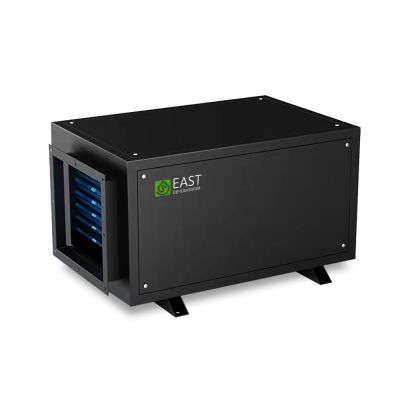
Custom Industrial Dehumidifiers Manufacturer - Delivered in 15 days.

When does a hybrid dehumidifier save more energy than a single unit?
A hybrid saves energy when the inlet air is wet and the dew point target is low — the coil then takes 50–60% of the water far cheaper than reactivation heat. Threshold: inlet humidity above about 12–14 g/kg, or above 60% RH at 24 °C, with a target below 0 °C and long running hours. Expect 20–30% lower energy and an 18–30 month payback. Dry climates favour the single unit.
Four checks before you choose
Inlet humidity ratio
Pull the design-day humidity ratio from a psychrometric chart, not the RH number alone. Above roughly 12–14 g/kg the coil has real work to do; below that it is decoration.
Dew point target
A condensing stage is only worth adding if the rotor still has a hard job left. Targets above about 0 °C dew point are often handled by refrigeration alone, and targets above 5 °C usually are.
Fresh air fraction
Recirculating plant sees conditioned air at the inlet and gains little. 100% fresh air systems see the full weather load and gain the most — this is the single strongest predictor.
Annual running hours
The saving is per operating hour. Below roughly 2,000 h a year, or with a cheap off-peak electricity tariff, the capital premium can take longer to recover than the plant's refurbishment cycle.
Where the two cross over
The crossover is not a manufacturer preference, it is arithmetic. Take the capital premium, divide it by the annual energy saving, and you have the payback. The energy side of that sum depends almost entirely on how much water the coil can intercept before it frosts, which is a function of the design-day inlet condition.
That is why the same two machines can rank differently on two sites ten kilometres apart. A coastal plant with 80% RH summers and 100% fresh air will almost always justify the hybrid. An inland plant with a dry winter and a recirculating system frequently will not, and the honest answer there is the simpler machine.
The limits worth knowing
Be sceptical of single-number savings claims. A 30% reduction is a reduction against a defined baseline at defined conditions, not a universal constant, and it will not survive a site where the coil is undersized or the drain is blocked. There is also a maintenance cost that never appears in the energy comparison: refrigerant circuits, condensate traps and coil cleaning are all additional tasks, and a fouled coil silently transfers the load straight back to the heater.
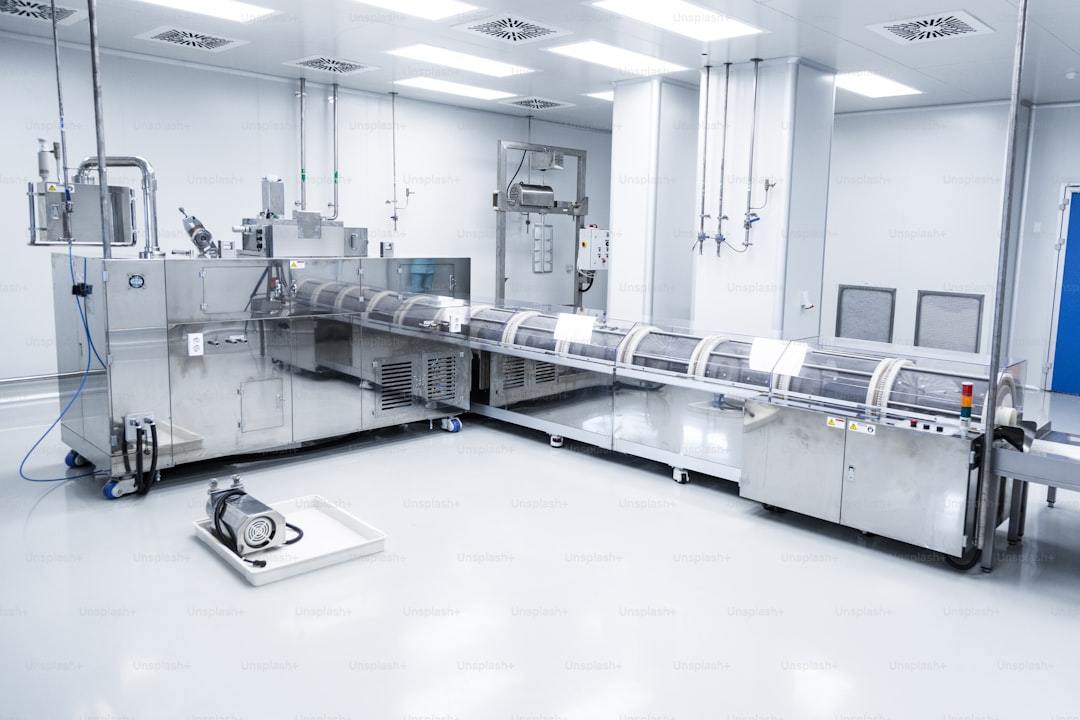
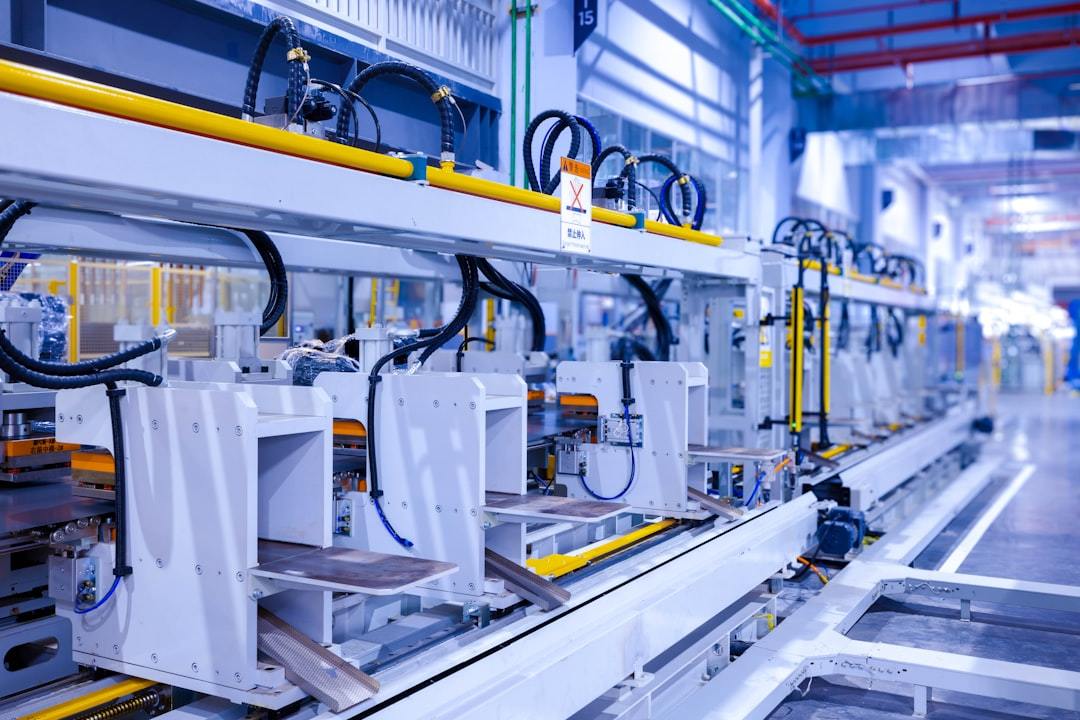
Representative project configuration
The same dry room specification was quoted for a coastal site with humid summers and an inland continental site with dry winters, both running 6,000 hours a year.
Same machine, same duty, opposite answers — the inlet condition did all the work. East Dehumidifier asks for the design-day dry bulb and wet bulb pair before quoting, because without them any payback figure is a guess. All figures are configuration-based.
Scenario matrix

| Scenario | Inlet condition | Dew point target | Better choice | Why |
|---|---|---|---|---|
| Coastal summer, full fresh air | 30 °C / 75% RH | −40 °C | Hybrid | Coil removes ~60% before the rotor |
| Inland winter, full fresh air | 2 °C / 60% RH | −40 °C | Either | Little water for the coil to take |
| Recirculating dry room | 22 °C / 5% RH | −45 °C | Single unit | Coil is below its useful range |
| Wet process exhaust | 35 °C / 85% RH | +5 °C | Condensing only | No rotor needed at all |
| Short seasonal campaign | 28 °C / 70% RH | −20 °C | Single unit | Too few hours to repay the premium |
Selection shortcut: if you cannot state the design-day humidity ratio, you are not ready to choose. Get that number first, then let the payback arithmetic decide.
Related questions
Want the payback worked out?
Send design-day dry bulb and wet bulb, air flow, target dew point and annual hours. East Dehumidifier will return the comparison rather than a rule of thumb.