Custom Industrial Dehumidifiers Manufacturer - Delivered in 15 days.

What is the lowest humidity a desiccant rotor dehumidifier can achieve?
A single desiccant rotor typically reaches 1–10% RH, corresponding to a dew point of about −40 °C, or roughly 0.08 g of water per kilogram of dry air. Putting two rotors in series pushes the supply dew point towards −60 to −70 °C. What you actually achieve depends on regeneration temperature, rotor speed, air sealing and how much moisture is leaking into the room.
What sets the floor
Regeneration temperature
Higher regeneration temperature drives more water out of the wheel, leaving it drier for the next pass. Typical industrial designs run 110–150 °C.
Rotor speed
Slower rotation gives the desiccant more contact time but risks carry-over. Speed is tuned to the duty point, not fixed.
Sealing
Worn seals let wet process air bypass into the dry stream. A small leak destroys a low dew point far faster than it reduces capacity.
Room leakage
Every door cycle and cable penetration admits moisture. The machine can only reach its design dew point if the room's leakage budget is met.
Dew point is the number that matters
Below about 10% RH the relative humidity figure stops being useful, because RH swings wildly with temperature while the actual moisture content barely moves. That is why low-humidity processes are specified in dew point, or in grams of water per kilogram of dry air. A dew point of −40 °C at 22 °C corresponds to well under 1% RH and roughly 0.08 g/kg.
Reaching that level is a staged problem. One rotor comfortably handles −20 to −40 °C. Deeper than that, two rotors operate in series with intercooling between them, and the second stage does the final polish on air the first stage has already dried.
Where it stops
Adsorption has no hard physical floor like a freezing coil, but economics bite long before physics does. Each extra degree of dew point costs regeneration energy and rotor area, so specifying −70 °C when the process needs −40 °C wastes capital and power for no benefit. Contamination is the other real limit: oil vapour and solvents coat the desiccant and permanently reduce what the wheel can hold.
Representative project configuration
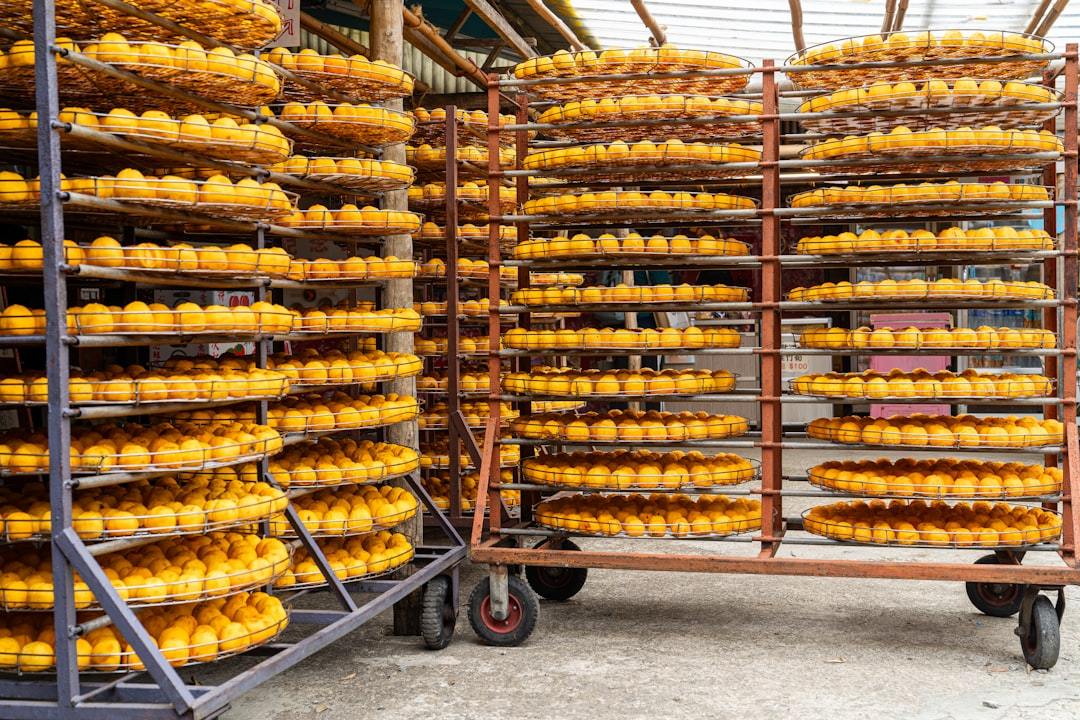
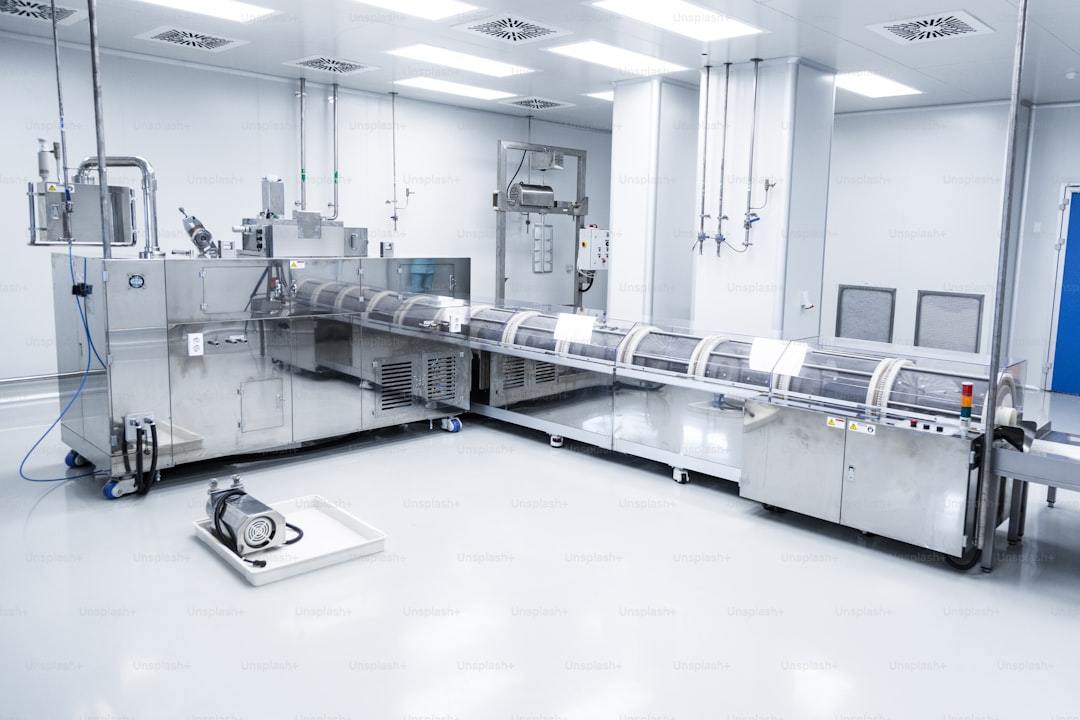
A cell assembly line needed a supply dew point of −45 °C with continuous logging. The room envelope was newly built, so leakage was still being brought under control during commissioning.
Performance tracked the envelope: until door seals and cable penetrations were finished, the dew point drifted whenever the airlock cycled. Achievable figures depend on the room's leakage budget, not only on the machine.
Achievable levels by configuration
| Configuration | Regeneration | Supply dew point | Typical application |
|---|---|---|---|
| Single rotor, silica gel | 110 °C | About −10 to −20 °C | Electronics assembly, packaging |
| Single rotor, optimised | 130 °C | −30 to −40 °C | Battery electrode handling |
| Two rotors in series | 150 °C with intercooling | −50 to −70 °C | Electrolyte filling, advanced chemistries |
| Micro-environment or glovebox | Dedicated small rotor | −60 °C and below | R&D cells, sample handling |
Specification note: do not specify a deeper dew point than the tightest process step requires. Energy rises steeply with each stage, and the room envelope usually limits the result before the rotor does. East Dehumidifier sizes to the process requirement and states the leakage budget the room has to meet.
Related questions
Have a dew-point target to hit?
Send target dew point, room volume, air-change rate and occupancy. East Dehumidifier will size the rotor stages and state the sealing requirement.