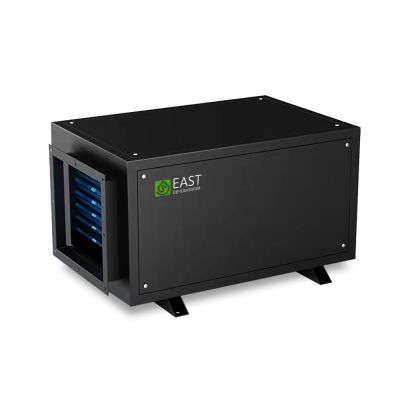
Custom Industrial Dehumidifiers Manufacturer - Delivered in 15 days.

When should I choose a ceiling mounted dehumidifier over a floor unit?
Choose a ceiling mounted dehumidifier when at least one of three conditions is true: the floor has no spare space, the space is tall enough that dry air needs to be delivered from height, or humidity control is permanent and should be ducted into the building. If the need is temporary, the layout keeps changing, or the moisture load is very heavy, a floor standing unit remains the better tool.
The three triggers, in detail
Floor space is scarce
Cleanrooms, pharmaceutical lines, underground parking and fitted-out basements have no spare square metres. Anything placed on the floor blocks a process.
Air distribution matters
In high-bay warehouses moisture stratifies. Delivering dry air from 3 m or more, optionally through short duct runs, mixes the volume instead of drying one corner.
Control is permanent
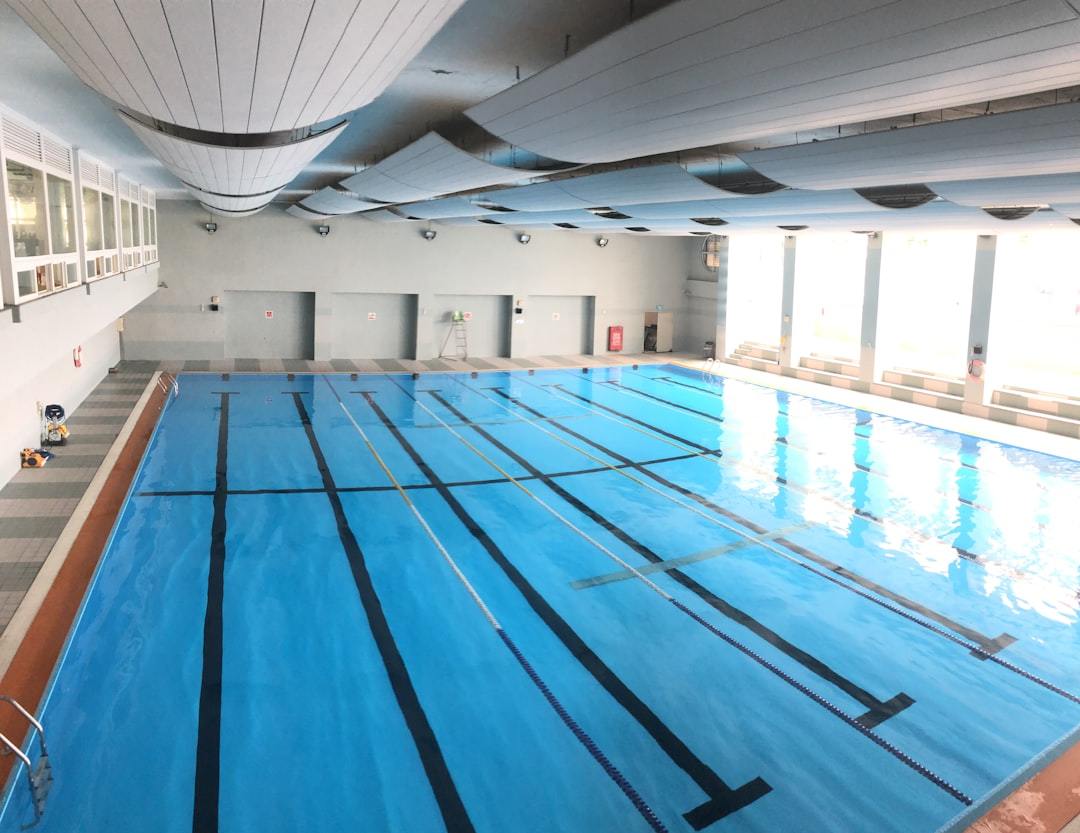
Archive stores, museums, aquatic centres and process halls need 365-day control with BMS logging. A fixed, ducted installation is easier to document than a portable fleet.
But not when it is temporary
Construction drying, flood restoration and seasonal spikes change location. A machine bolted to the ceiling cannot follow the work.
What the installation has to solve
Ceiling mounting is a building decision, not just an equipment decision. Three constraints decide whether it is feasible: structure, drainage and access. The casing has to be carried by the slab or by dedicated hangers with isolators; the condensate has to leave by gravity with a fall of at least 1%, or through a pump; and somebody has to reach the filters every quarter without erecting scaffolding.
Height matters too. Too low and the unit interferes with traffic and throws air straight into the occupied band; too high and the return air short-circuits above the working zone. In practice 2.4–3.5 m suits most industrial spaces, with 300–600 mm of clear space left around the casing for service.
Where ceiling mounting is the wrong answer
Heavy moisture loads with frequent door opening, wash-down areas, and sites below about 5 °C still defeat a ceiling mounted condensing unit. Cold air holds little water, the coil ices, and capacity collapses. Those cases need desiccant rotor dehumidification instead, regardless of where the box is mounted.

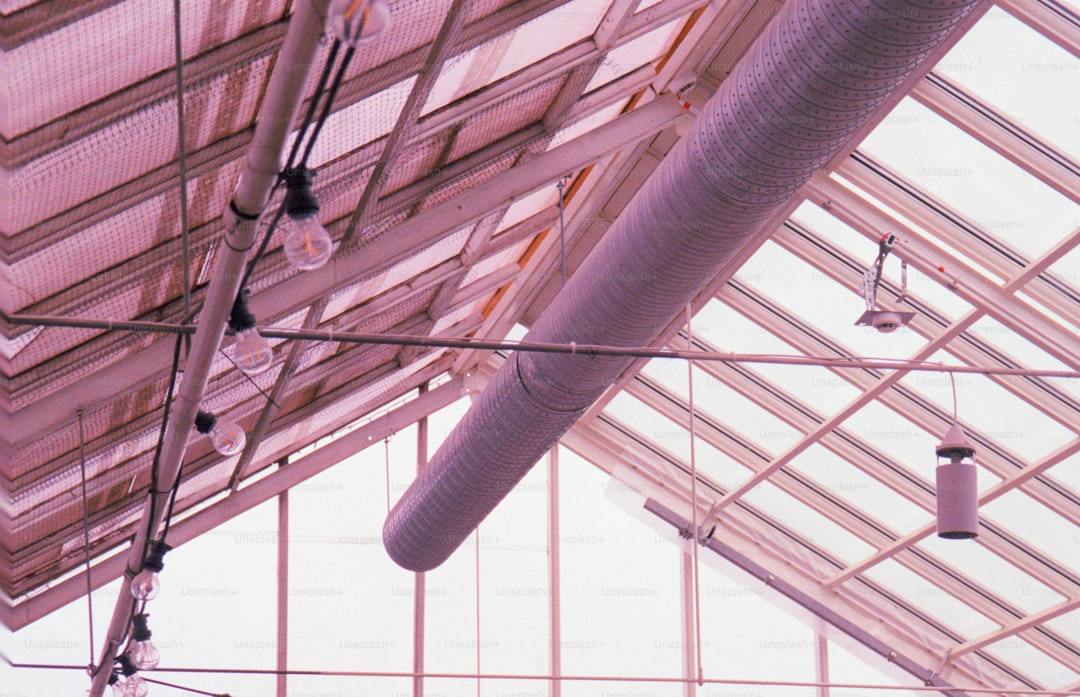
Representative project configuration
A paper archive was running at 70% RH in summer with mould appearing on box edges. The shelving layout left no floor space for equipment, and the collection required a stable 45% RH all year.
Units were mounted at 3.0 m on spring isolators, drained to a pumped header because the sewer was above the slab, and fitted with an access hatch below each filter. Results depend on envelope tightness; a leaky building will not hold the band.
Decision data
| Site condition | Ceiling mounted | Floor standing |
|---|---|---|
| Floor area available | Not needed | 0.35–0.7 m² per unit |
| Ceiling height 4 m and above | Strong fit | Weak fit, stratification risk |
| Ambient below 5 °C | Condensing type not suitable | Condensing type not suitable |
| Permanent, documented control | Strong fit | Workable, harder to log centrally |
| Seasonal or temporary need | Poor fit | Strong fit |
| Heavy, variable moisture load | Limited by casing size | Scales to larger frames |
| Service staffing | Needs planned access | Direct, no special equipment |
Rule of thumb: permanent plus space-constrained plus tall equals ceiling mounted. Temporary plus mobile plus heavy load equals floor standing. When temperature sits below 5 °C, change the technology rather than the mounting position. East Dehumidifier supplies both mounting styles and will advise against ceiling work when the site does not justify it.
Related questions
Not sure which mounting suits your building?
Send floor area, ceiling height, operating temperature and target RH. East Dehumidifier engineers will tell you if ceiling mounting is viable.