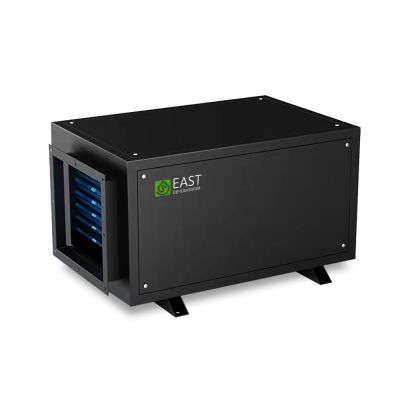
Custom Industrial Dehumidifiers Manufacturer - Delivered in 15 days.

What is a floor stand dehumidifier best used for?
A floor stand dehumidifier is a self-contained, ground-mounted unit that you position wherever the moisture problem is. It is best used in warehouses, basements, logistics halls, food and textile stores, indoor pools and production areas — anywhere the space runs at normal ambient temperature, the target is 45–60% RH, and you want capacity you can move or add without building work.
Where a floor standing unit is the right answer
Warehouses and logistics
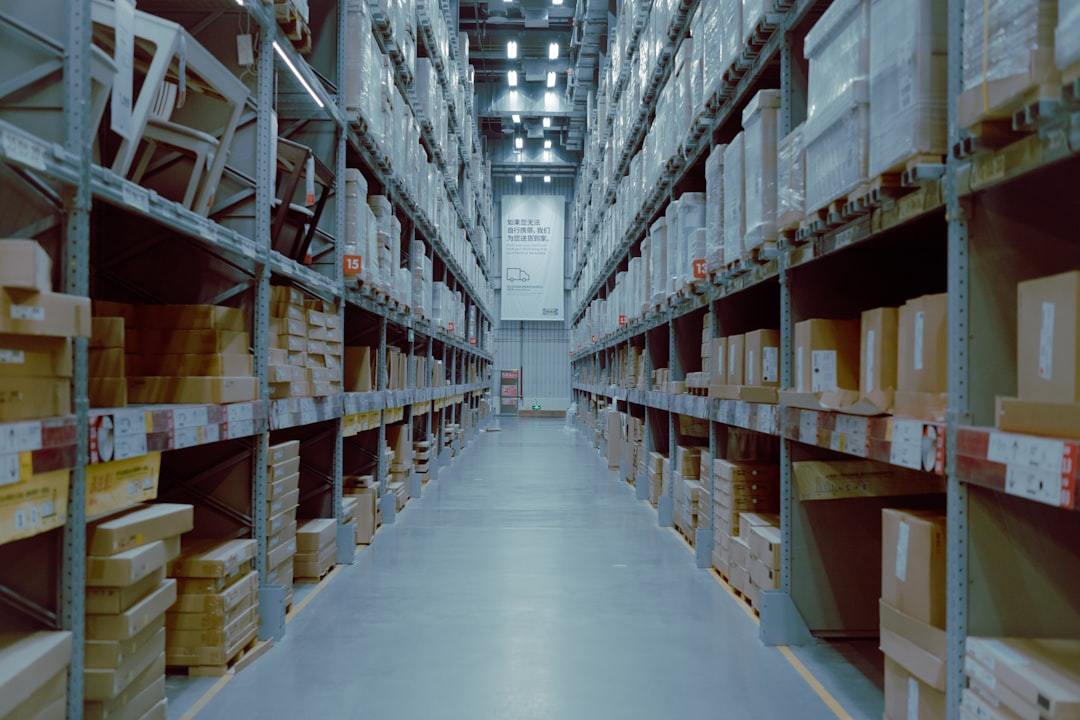
Protects cartons, pallets, textiles and metal goods from mould, rust and moisture regain. Multiple units give flexible coverage across racked aisles.
Basements and underground stores
Solves persistent damp where ventilation alone cannot, and where no ceiling void exists for a ducted unit.
Food and beverage areas
Controls condensation on cold surfaces, keeps packaging dry and reduces slip hazards on floors.
Production halls
Steadies humidity around hygroscopic processes such as paper, wood, adhesives and coatings.
Indoor pools and leisure
Handles continuous evaporation while limiting structural condensation and corrosion.
Construction dry-out
Speeds screed, plaster and paint drying before handover, then moves to the next site.
Floor stand versus the other mounting options
| Factor | Floor stand | Ceiling mounted | Hand push |
|---|---|---|---|
| Floor space used | Yes, about 0.5–1 m² | None | Yes, but movable |
| Installation | Place and connect power | Structural fixing, drainage | Wheel in and plug in |
| Air distribution | Local, needs spacing | Whole-room, more uniform | Targeted, temporary |
| Best for | Large open areas, phased budgets | Tight floor space, cleanrooms | Multi-site, temporary work |
| Capacity ceiling | Up to 1000+ L/day | Medium range | Low to medium range |
Floor space is the trade-off. If every square metre of floor is revenue-producing — a clean production line, a packed cold store — a ceiling mounted dehumidifier is usually worth the extra installation cost. If the floor is racking and aisles, floor standing units in unused corners cost less and are easier to service.
Practical installation notes
Leave 50 cm of clearance on the intake side and at least 30 cm behind the unit. Do not place a unit directly against a wall or inside a tight rack pocket — restricted airflow is the most common cause of disappointing performance.
Drainage comes first in the planning. A gravity hose needs a continuous fall to a floor drain; where that is impossible, choose a pump-equipped model and check the lift height. Filter cleaning every two to four weeks keeps capacity stable in dusty environments.

Representative project configuration
A yarn store was seeing fibre regain variation between seasons, which showed up as inconsistent fabric weight downstream. The building had no ceiling void and no spare floor drainage on one side.
Mixing gravity-drained and pump-equipped models on the same site let the operator use existing drainage where available and avoid new floor work on the far side of the building.
Related questions
Choosing between mounting types?
Send your layout and constraints. East Dehumidifier will recommend floor, ceiling or mobile units and the quantities for each.