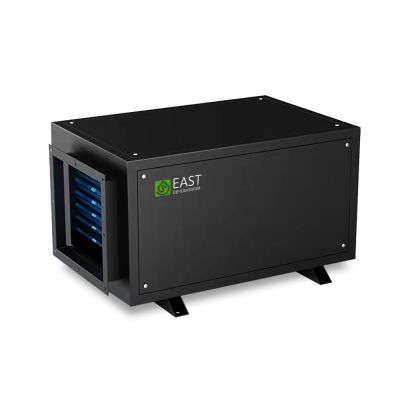
Custom Industrial Dehumidifiers Manufacturer - Delivered in 15 days.

What size condensing dehumidifier do I need for a 500 m2 warehouse?
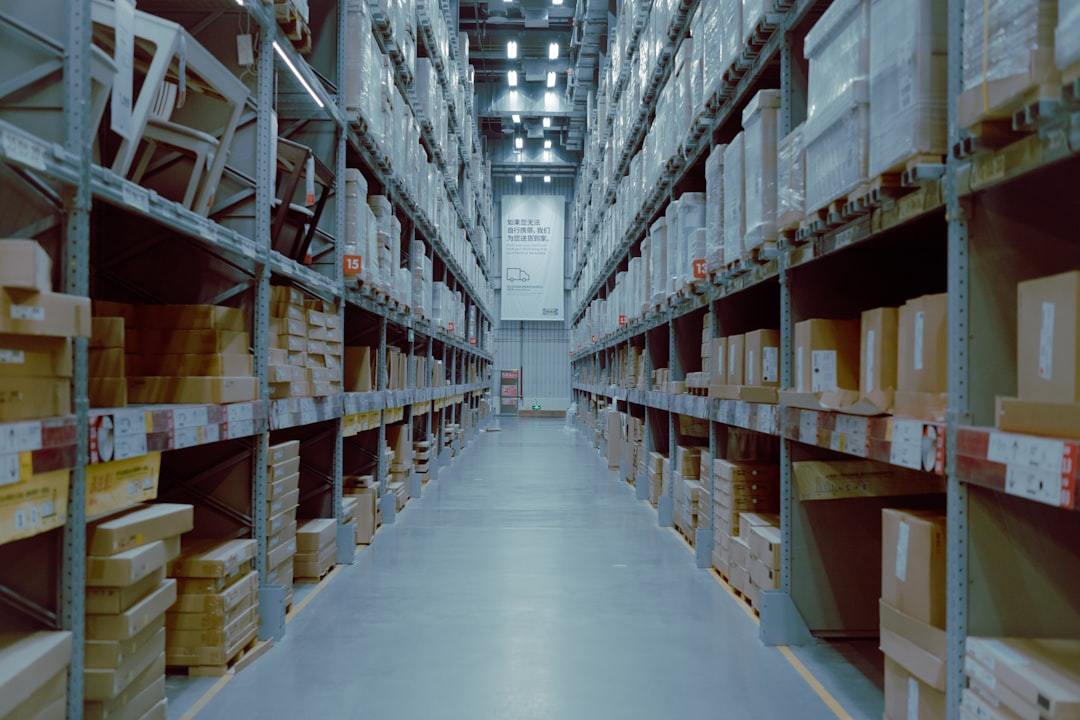
For a 500 m² warehouse with a 4 m ceiling held at 27 °C / 60% RH, budget roughly 200–270 litres per day of real removal capacity. Because nameplate capacity is measured at 30 °C / 80% RH, that means buying nameplate capacity in the 350–450 L/day band — typically two 240 L/day units rather than one large machine.
The calculation, step by step
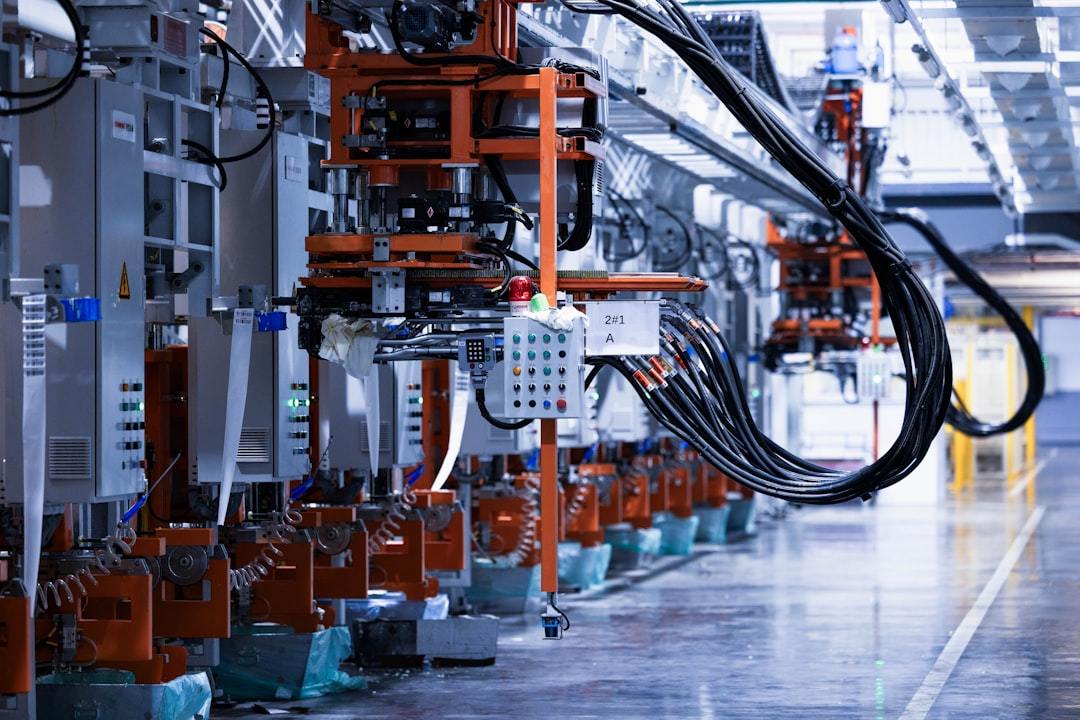
Room volume
500 m² × 4 m = 2,000 m³. Raise this if the ceiling is higher — almost all capacity tables assume 2.6–3 m.
Moisture load
W = V × 1.2 × ΔX ÷ 1000 × K, where ΔX is the humidity-ratio difference in g/kg and K is a 1.1–1.2 safety factor.
De-rate to real conditions
At 27 °C / 60% RH a unit delivers roughly 60–70% of its 30 °C / 80% RH nameplate figure.
Add infiltration
Add 30–50% if roller doors open more than 20 times a day, or if the space is a basement with wet walls.
Worked example and what to buy
| Input | Value | Effect on sizing |
|---|---|---|
| Floor area × height | 500 m² × 4 m | 2,000 m³ to condition |
| Current / target condition | 75% → 55% RH at 27 °C | ΔX ≈ 5 g/kg |
| Steady-state load | ≈ 13 kg/h peak, ≈ 120 L/day average | Baseline figure |
| Safety factor 1.2 + de-rating 0.65 | 120 ÷ 0.65 × 1.2 | ≈ 220 L/day real capacity |
| Recommended configuration | 2 × 240 L/day nameplate | ≈ 310 L/day real, with reserve |
Why two units beat one: two machines give better air circulation across a wide floor, keep running if one is serviced, and avoid the short-cycling that an oversized single unit causes when it hits the setpoint too fast.
Placement and drainage
Keep at least 50 cm clearance from walls and racking so intake air is not starved. A 240 L/day unit covers an effective radius of about 8–12 m, so place the two units diagonally rather than side by side.
For drainage, a gravity line with a continuous fall is the most reliable option. Where no floor drain exists, specify a built-in condensate pump; check lift height against the discharge point before ordering.
Representative project configuration
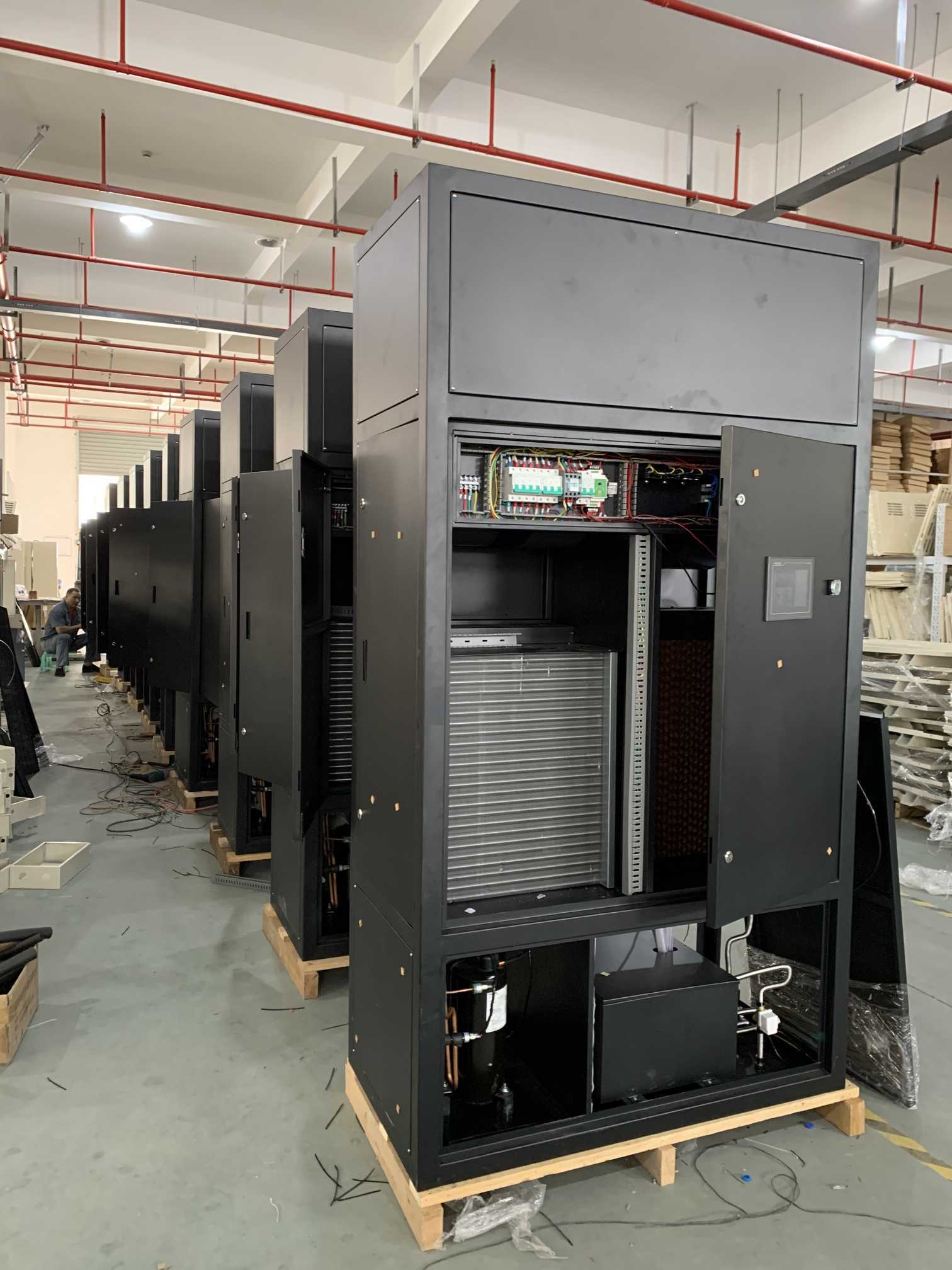
An underground component store with no external wall drainage and a high water table. Condensation on cold pipework was the trigger for the project, and the operator needed 50% RH to protect moisture-sensitive devices.
Because the space was a basement with damp walls, the sizing was multiplied by 1.2 as recommended for below-grade rooms, and pump-equipped units were specified to lift condensate to the nearest drain.
Related questions
Want your exact figures checked?
Send area, height, current and target RH plus door traffic. East Dehumidifier returns a sized configuration and layout sketch.